Abdominoplasty after pregnancy or weight loss
A journalist’s explainer on pannus versus muscle separation, hernia, drains and early walking after abdominoplasty — and why Medicare criteria exist in Australia without promising a rebate.
Priya Menon, Features writer · 12 November 2024 · 9 min read · Updated 1 February 2026
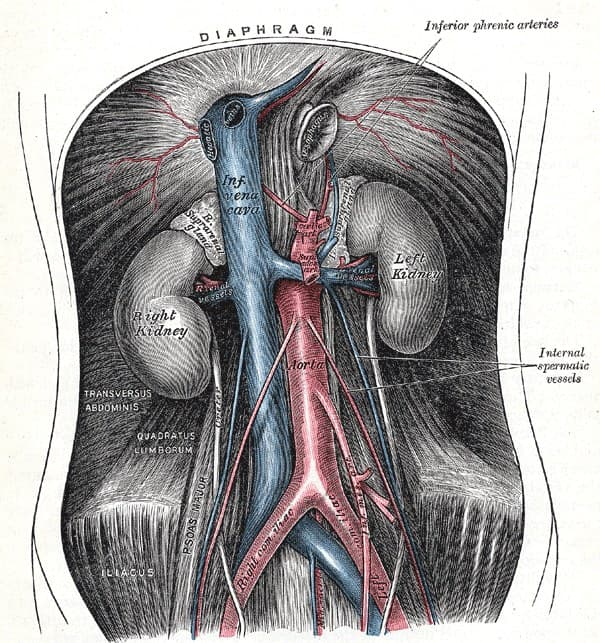
Abdominoplasty is an operation on the abdominal wall. In Australian rooms it is discussed after pregnancy, after substantial weight change, and when a fold of skin and fat makes hygiene, dressing or movement difficult. It is not a weight-loss method, and it is not a personality project. The useful starting point is anatomical: is the complaint a pannus, a separation of the rectus muscles, a hernia, residual fat that might be discussed as liposuction, or some combination of those? Those are different tissues. They are not treated by the same cut.
This is a journalist’s explainer for people preparing a consultation, not a recommendation to have surgery. Cosmetic procedures in Australia sit under Ahpra’s advertising and practice rules. Medicines and devices sit under the Therapeutic Goods Administration. None of that replaces an examination by a registered medical practitioner you have checked on the Ahpra register. For the wider map of related operations, start with the body contouring hub.
Pannus, muscle separation and hernia are not synonyms
A pannus — sometimes called a panniculus — is the apron of skin and subcutaneous fat that can hang over the mons pubis or, in larger examples, the upper thighs. It can trap moisture. It can cause intertrigo or recurrent rash. It can make trousers sit oddly and exercise feel awkward. Removing that apron is a skin-and-fat problem. It leaves a long scar, usually low on the abdomen, and it often involves relocating the umbilicus so that it sits in a plausible position on the newly taut skin.
Rectus diastasis is a different finding. The paired rectus abdominis muscles are joined in the midline by a fibrous seam, the linea alba. Pregnancy, and some patterns of weight gain, can stretch that seam so the muscles sit further apart. The abdomen may dome on sitting up. A physiotherapy program is the first conversation for many people, because an operation that tightens fascia does not teach the abdominal wall how to work. When surgery is discussed, repair of that fascia is a musculoaponeurotic manoeuvre, not a skin lift. People who have a diastasis without much loose skin are not automatically candidates for a full abdominoplasty; people who have a large pannus without much diastasis are not automatically candidates for a muscle repair.
Hernia sits in a third column. Umbilical, epigastric and incisional hernias can coexist with a pannus or a diastasis. A hernia is a defect through which tissue can protrude. It can be painful or, rarely, a surgical emergency if bowel is trapped. Repairing a hernia is reconstructive work with its own mesh-or-suture decisions and its own recurrence risk. Combining hernia repair with abdominoplasty is sometimes proposed; combination surgery changes anaesthetic time, infection risk and the aftercare. It is a clinical judgement, not a package deal.
Readers who have lost a large amount of weight — after bariatric surgery or by other means — often present with more than an abdominal apron. The same skin laxity can involve the flanks, back, arms and thighs. That is a staging problem, covered separately in our note on body contouring after significant weight loss. Doing everything in one sitting is not automatically safer or more efficient.
What the operation generally involves
A typical full abdominoplasty, described in general terms, uses a long transverse incision low on the abdomen, elevation of a skin-and-fat flap, and a decision about the fascia and the umbilicus. Some people are offered a more limited or “mini” approach when the loose tissue sits mainly below the umbilicus; that is a smaller operation with a smaller reach, not a kinder version of the same thing. Some people are offered an extension around the flanks. The scar is the trade-off. Anyone who is told there will be no scar, or only a scar that “vanishes”, is not being consented.
The umbilicus is usually brought out through a new opening in the flap. It can stenose, sit off-centre, or lose the small hood of skin that makes a navel look like a navel. Those are known issues, not surprises. The pubic hairline can be drawn upward if too much tension is placed on the closure. The mons can swell for weeks. Numbness across the lower abdomen is common and can last months; some patchy numbness is permanent.
Liposuction of the flanks is sometimes discussed in the same plan. Combining contouring methods adds fluid shifts, time and bruising. It does not convert abdominoplasty into a weight-loss tool. Skin quality still limits what fat removal can do: if the skin will not recoil, removing fat under it can leave irregularity. That limit is anatomical, not a failure of effort.
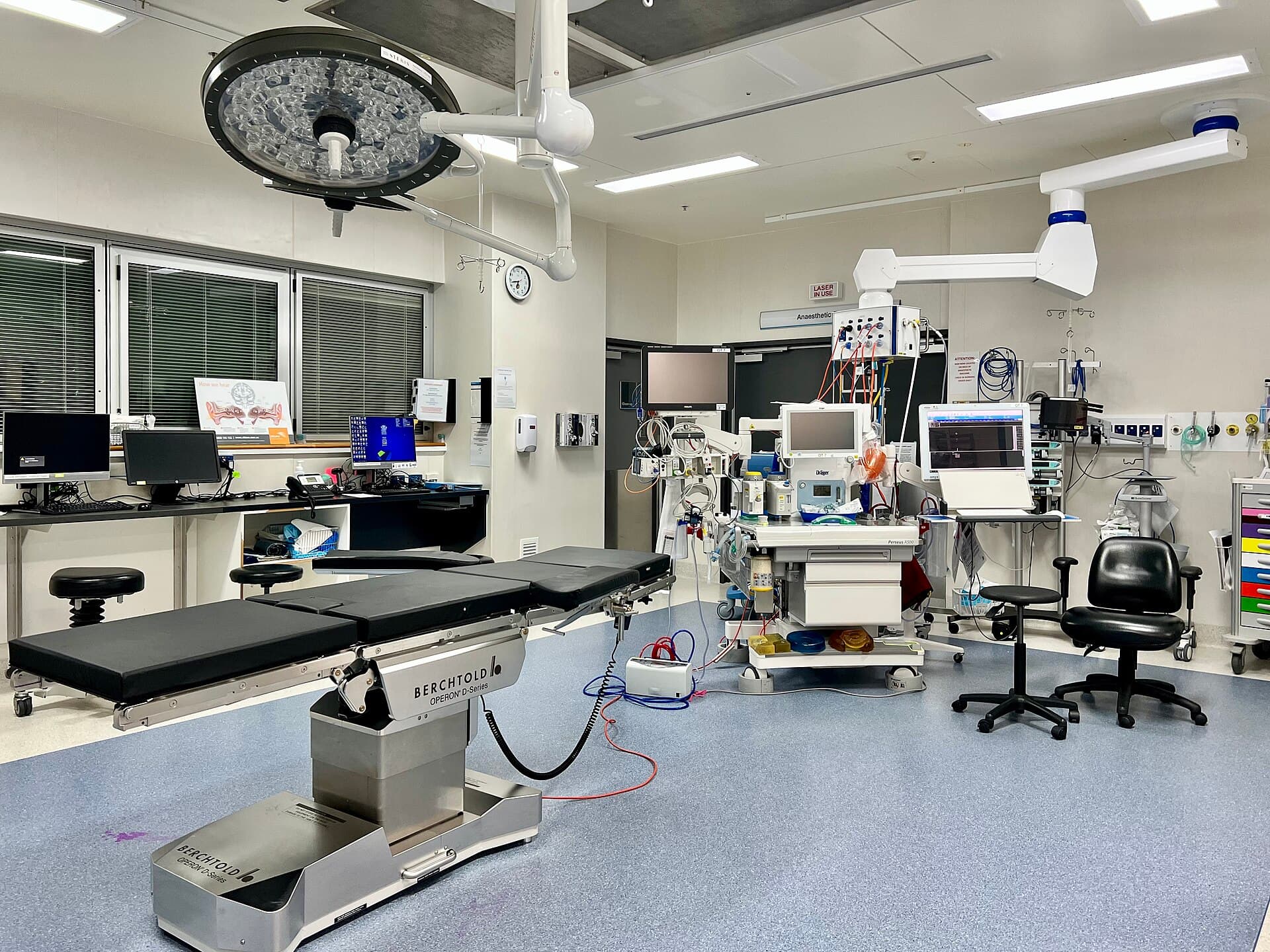
Anaesthesia is typically general, in a licensed hospital or day-hospital, with a specialist anaesthetist. Abdominoplasty is not an office-room procedure. Airway support, monitoring, blood-loss management and the ability to keep someone overnight are why the setting matters. Since the 2023 cosmetic-surgery reforms, higher-risk cosmetic operations in Australia are expected to occur in accredited facilities, with a referral pathway and a cooling-off period that the treating rooms should explain before a date is locked.
Drains, garments and the walk down the ward
Surgical drains — soft tubes that lead to a small suction bottle — are still widely used after abdominoplasty. The logic is simple: a large raw surface under the flap can weep fluid, and a collection (a seroma) can sit there for weeks. Drains do not eliminate seroma. Some surgeons have moved to progressive tension sutures or other closure methods that reduce drain use. Readers should ask what this team does, how long tubes usually stay, and how output is measured, rather than arriving with a preference borrowed from a forum.
Compression garments are similarly a matter of the operating surgeon’s routine. They can support the abdomen and remind the wearer not to fold sharply at the waist. They can also irritate a fresh scar or hide a problem if they are so tight that the skin looks dusky. Written instructions should say how long to wear one, whether it comes off for showering, and what colour or temperature changes to report.
Walking is not optional folklore. A long pelvic operation, a flexed posture and a period in bed are a classic setting for deep-vein thrombosis and pulmonary embolism. Early, short walks — to the bathroom, then the corridor — are part of almost every modern protocol, alongside whatever medicine or mechanical prophylaxis the team prescribes. The flexed “beach-chair” posture of the first days is a compromise: too straight, and the closure is under strain; too crouched for too long, and clots and stiffness become more likely. A physiotherapist, where one is involved, is there for that unglamorous work, not for a fitness reboot.
Standing fully upright can take days or a couple of weeks. Driving is delayed until the person can brake hard without guarding the abdomen and is no longer taking medicines that impair alertness — a judgement for the treating team and, in practice, for the driver. Lifting children, laundry baskets and the family dog is a more common Australian complication than textbooks admit. Household help for the first fortnight is logistics, not indulgence.
Medicare criteria exist. They are not a rebate promise
This is the paragraph clinics sometimes blur. The Medicare Benefits Schedule includes items for some forms of radical abdominoplasty and related lipectomy when documented clinical criteria are met — for example, after significant weight loss with redundant tissue that is causing specified problems, or, in a separate item, for post-partum repair of a measured rectus diastasis. Those items have conditions about weight stability, imaging or clinical measurements, and what the operation must include. They are amended from time to time.
Meeting a marketing description of a “tummy tuck” does not mean an item number will apply. A purely aesthetic request, a desire to flatten a postpartum abdomen that does not meet the documented tests, or an operation that does not match the item descriptor can sit entirely outside Medicare. Private health insurance, where someone has it, follows the fund’s rules, the clinical coding and waiting periods; extras cover does not quietly pay for an unlisted cosmetic admission. Out-of-pocket costs for surgeon, anaesthetist, hospital and any revision remain the patient’s to understand in writing.
This journal will not quote an item number as if it were a voucher, and it will not estimate a rebate. Ask the practitioner whether they believe an MBS item applies, on what evidence, and what happens to the quote if the claim is rejected. Check the current descriptor on the MBS online yourself. A second opinion is ordinary medicine if the first conversation sounds like a sales path to a refund.
Public hospitals in some states offer abdominal reduction after massive weight loss or for severe panniculus-related disease, usually through plastic-surgery waiting lists with their own thresholds. That pathway is slower, stricter and not a cosmetic booking. It is also not a back door to an aesthetic abdominoplasty.
Recovery ranges, risks and the consultation you actually need
The first week is often described as the most restricted: a flexed walk, drain care if drains are used, help to stand, and sleep arranged so the abdomen is not forced straight. Bruising and swelling can extend into the flanks and mons. Many people discuss a desk-based return in the order of two to four weeks and a later return to gym work, running or heavy lifting — often in the six-week band or beyond. Those figures are ranges, not a contract. A seroma, a wound-edge problem in the central T-junction of an extended closure, a haematoma or an infection resets the clock.
Wound issues at the T-junction or under a heavy pannus remnant are more likely in people who smoke or use nicotine, in people with diabetes, and when the closure is under high tension. Smoking cessation, where advised, is a safety step, not a moral one. Infection, bleeding, blood clots, delayed healing, umbilical problems, numbness, asymmetry, and the possibility of a further operation should all appear on a consent form. Listing them is not scaremongering. A pulmonary embolus is uncommon and serious; it is why calf pain, chest pain or sudden breathlessness after surgery is a 000 matter, not a “wait until Monday” matter. Healthdirect (1800 022 222) is the national nurse triage line if you cannot reach the treating team and are unsure how urgent a symptom is.
Photographs at two weeks are a poor guide to three months. Scars mature for a year or more. This journal does not publish before-and-after galleries and will not describe a “typical result”. Variation is the medicine. Anyone offering a guaranteed contour is advertising, not consenting.
Bring a list to the consult. Ask whether the plan is skin only, fascia repair, hernia repair, or a combination, and why. Ask where the scar will sit when you are in underwear, and what happens to the umbilicus. Ask about drains, garments, the first walk, and clot prevention. Ask who the anaesthetist is and where the operation is performed. Ask what the surgeon would not try to change — residual fat higher on the abdomen, stretch marks above the umbilicus, and the back rolls that an anterior operation cannot reach are common limits.
Check the practitioner on the Ahpra register. “Specialist plastic surgeon” is a protected title for medical practitioners with specialist registration in surgery — plastic surgery. “Cosmetic surgeon” is not. Cost should be itemised. If an MBS item is proposed, ask for the descriptor in writing. A second opinion is not disloyal.
Abdominoplasty is a real abdominal operation with a real scar, a real clot risk and a real recovery. It can be an appropriate option for some people after pregnancy or weight loss when the anatomy matches the plan. It is never a substitute for weight management, and it is never something a headline can honestly guarantee. Take the distinction between pannus, muscle and hernia seriously, treat Medicare as a rulebook rather than a refund, and let the decision sit with you and a practitioner prepared to talk about what the operation cannot do.
Questions readers ask
- Does Medicare pay for a tummy tuck in Australia?
- Some Medicare Benefits Schedule items exist for particular clinical situations after pregnancy or substantial weight loss. The criteria are specific, documented and change over time. Eligibility is a determination for a registered practitioner and the Department of Health, not a promise from a website, and many operations remain fully private.
- What is the difference between a pannus and muscle separation?
- A pannus is an apron of skin and fat that can hang over the pubic area. Muscle separation, or rectus diastasis, is a widening of the gap between the paired rectus muscles. They can exist together or separately, and they are not treated by the same manoeuvre. A hernia is a further, distinct finding.
- Why are drains and walking mentioned so often?
- Surgical drains are used by some teams to reduce fluid collecting under the abdominal flap. Early walking is discussed because stillness after a long operation raises the risk of blood clots. Neither is a ritual for its own sake, and the exact plan belongs to the operating practitioner.
- Is abdominoplasty a weight-loss operation?
- No. It reshapes the abdominal wall and removes a limited amount of tissue. It does not treat obesity, and further weight change after surgery can alter the contour again. People still planning substantial weight loss are usually asked to wait.
- Who decides if surgery is appropriate?
- A registered medical practitioner after an in-person examination, not an article. For cosmetic indications, Australian practice also includes referral and cooling-off steps that the treating rooms should explain before any booking.
More in this hub
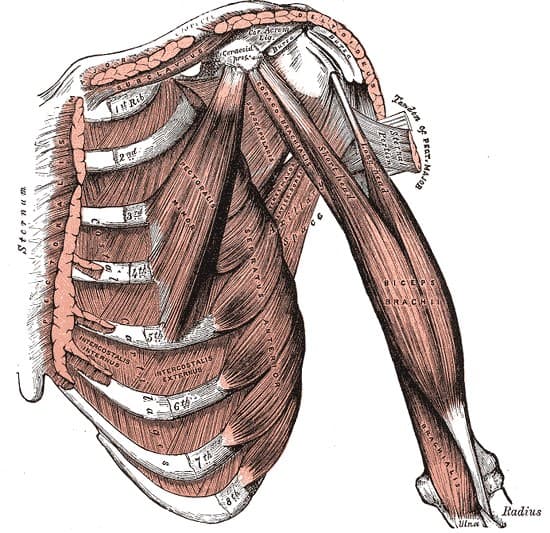
Gynaecomastia surgery for men
How Australian rooms distinguish true glandular gynaecomastia from chest fat, why an endocrine and medicine review comes first, and what excision versus liposuction and scar position actually involve.
Tom Hale · 14 January 2025
Body contouring after significant weight loss
Staging, nutrition and thrombosis risk after massive weight loss, with belt lipectomy, arm and thigh operations described in general terms, and a plain account of public versus private pathways in Australia.
Tom Hale · 10 December 2024
Liposuction: what it can and cannot do
Why liposuction is not a weight-loss method, how fluid shifts and skin quality limit the operation, and why hospital versus office setting and combination surgery change the risk conversation in Australia.
Tom Hale · 26 November 2024