Body contouring after significant weight loss
Staging, nutrition and thrombosis risk after massive weight loss, with belt lipectomy, arm and thigh operations described in general terms, and a plain account of public versus private pathways in Australia.
Tom Hale, Science editor · 10 December 2024 · 8 min read · Updated 4 March 2026
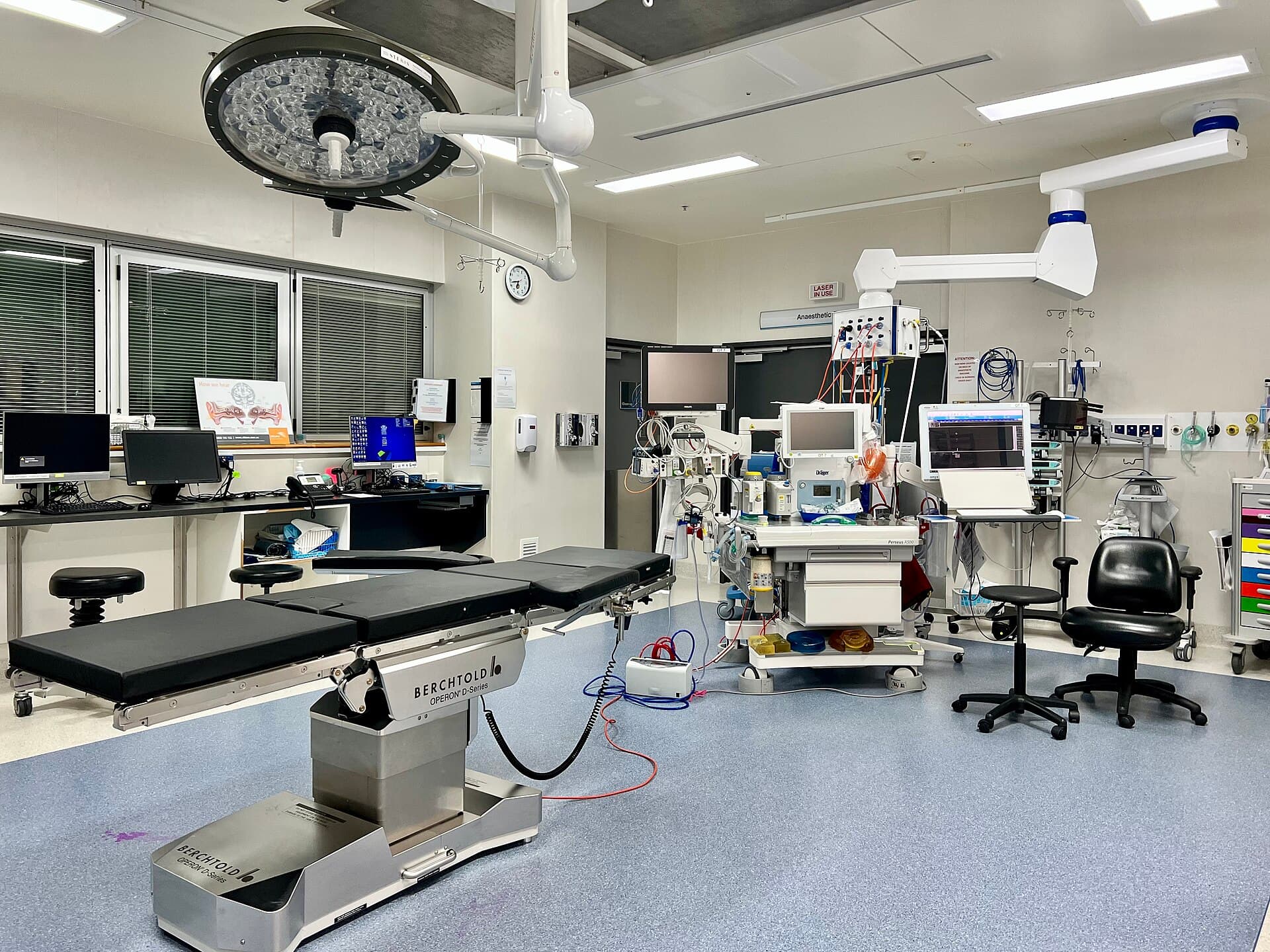
Significant weight loss — whether after bariatric surgery, medicines prescribed in a medical clinic, or a long change in intake and activity — does not always leave a body that matches the number on the scale. Skin that has been stretched for years often fails to recoil. What remains can be an abdominal apron, hanging folds on the inner arms, a roll at the back, or thighs that chafe. Those folds can cause moisture, rash, difficulty dressing and a sense that the weight loss is unfinished. Surgery can remove some of that tissue. It cannot finish the metabolic story, and it cannot be treated as a single heroic day in theatre without a plan for staging, nutrition and clot risk.
This is a science editor’s explainer for Australian readers, not a recommendation to book an operation. Check the practitioner on the Ahpra register. Advertising rules for cosmetic procedures still apply when the motivation is appearance; reconstructive indications are documented differently and are still not a promise of a particular look. The related abdominal operation is covered in abdominoplasty after pregnancy or weight loss. The wider set sits in the body contouring hub.
Stability first, then a map of the folds
Teams that do this work regularly usually want two facts before they draw incisions. The first is weight stability — often discussed as several months on a plateau, not a week of good luck. Operating on a body that is still losing, or rapidly regaining, is a way to misjudge how much skin to take and how the closure will sit a year later. The second is a region-by-region map: abdomen and mons, flanks and lower back, breasts or chest, upper arms, thighs, and sometimes the face and neck. Not every region needs an operation. Not every region should be operated on in the same admission.
People are sometimes surprised that the back and the buttocks are part of an abdominal conversation. When a large weight loss deflates the trunk, an anterior-only abdominoplasty can leave a dog-ear at each hip and a sagging lower back that the person then sees in a changing room. A belt lipectomy, or lower body lift, is the general name for a circumferential excision that tries to address that belt of tissue in one plan. It is a longer scar, a longer anaesthetic, and a recovery in which sitting and walking are both awkward. It is not a deluxe abdominoplasty. It is a different operation.
The breasts and chest after massive weight loss have their own deflation pattern — volume loss, a long skin envelope, a nipple that has migrated. That may be a lift, a reduction, an augmentation-mastopexy discussion, or, in men, a form of chest reduction. Those choices belong in a breast consult with the same caution about combination risk. This article will not advertise implants or name devices.
Staging is a physiological argument
The preference for “one theatre, one recovery, one lot of annual leave” is understandable. The physiology is less sentimental. Each additional region adds incision length, raw surface, blood loss, heat loss and time under anaesthesia. Massive-weight-loss tissue can be oedematous and slow to bleed, then bleed later. Temperature drops in long cases. Clotting risk rises with pelvic operations, flexion, and time on the table. A twelve-hour combination of belt lift, arm lift and thigh lift is not a badge of thoroughness. It is a stress test.
Staging — trunk first, then limbs, or anterior abdomen first and posterior belt later — lets the team see how the first closure has settled before they commit the next incision. It lets haemoglobin recover. It lets the person learn one set of garments and drain rules at a time. The cost and the calendar are higher. The alternative is a single admission in which a wound problem in one region complicates all the others.
There is no league table of the “right” sequence. Many units start with the abdomen or belt because those folds cause the most moisture and functional trouble. Some start with breasts because a garment or a return to work depends on it. The sequence should be argued from the person’s health, the length of each proposed operation, and who will be at home to help — not from a package price.
Nutrition is a surgical variable
People who have lost a great deal of weight are not automatically well nourished. Bariatric procedures that reduce stomach size or absorptive length can leave iron, vitamin B12, folate, vitamin D, protein and other micronutrients low even when the person looks “fit”. Rapid non-surgical loss can do the same if protein intake was sacrificed to speed. Those deficits show up as wound breakdown, seroma, infection and delayed collagen. They also sit beside a higher baseline risk of venous thrombosis in people with a high starting body mass, limited mobility, or a history of clot.
A responsible work-up often includes blood tests, a review of supplements already prescribed by the bariatric team, and a dietitian when the history suggests it. This is not a lifestyle lecture and it is not an excuse to delay someone indefinitely. It is the difference between operating on a healing organism and operating on a depleted one. Smoking and nicotine, poorly controlled diabetes, and steroid medicines belong on the same preoperative list.
Readers still in the weeks before a possible date should read preparing for cosmetic surgery, the weeks before. Fasting instructions, medicine lists, who stays overnight, and how you will get from the bathroom to the kettle are more predictive of a manageable first week than any product sold as a recovery aid.
Thrombosis risk is not a small-print item
Body-contouring operations after massive weight loss sit in a high-risk group for deep-vein thrombosis and pulmonary embolism. The reasons stack: long anaesthetic, pelvic and thigh work, a flexed posture, a body that may still carry a high mass index, and days of reduced walking. Prevention is a protocol, not a slogan — early mobilisation, mechanical devices on the calves where used, and whatever medicine the team judges appropriate given bleeding risk. The exact regimen is a clinical decision. Skipping it because “I feel fine” is not.
Chest pain, sudden breathlessness, coughing blood, or a swollen, painful calf after surgery are emergency symptoms. Call 000. Do not wait for the next scheduled review. Healthdirect (1800 022 222) is the national nurse triage line if you cannot reach the treating team and are weighing urgency. A clot is uncommon in any one person and common enough in this population that every consent should name it.
Infection, seroma, haematoma, wound-edge necrosis at points of tension (the T-junction of an abdominal closure, the groin of a thigh lift, the armpit of an arm lift), lymphoedema after thigh work, and the possibility of a further operation belong beside it. Scars are long by design. Anyone who describes them as hidden or temporary is not describing this surgery.
Arms, thighs and the belt, in general terms
Brachioplasty — an upper-arm reduction — removes a lengthwise ellipse of skin and fat, usually from the armpit toward the elbow. The scar is the price of taking in a sleeve of tissue that clothes cannot hide. Liposuction alone will not tighten a deflated arm. Numbness, a widened scar, and swelling of the hand in the early weeks are discussed in consent. The armpit end of the scar can sit in a moist area and needs careful dressing.
Thigh lift takes several forms: inner (medial), outer, or a more extended cut that follows a massive-weight-loss pattern into the groin. The inner thigh is unforgiving. Closures sit near the genital skin; tension and moisture work against a tidy scar; lymphatic channels can be disturbed. Walking and sitting both pull on the suture line. A return to the gym is later than people hope. Residual contour irregularity is common enough to name in advance.
A belt lipectomy, as already noted, is a circumferential lower-trunk operation. People spend the first days neither sitting fully nor lying flat. Toileting, sleeping and getting out of bed are rehearsed before discharge for a reason. Drains are common. Garments are awkward to put on alone. Household help is not optional politeness.
None of these operations is ranked here as more advanced than another. They are tools for different regions. Combining them is a risk discussion, covered above. Skin quality still limits the smoothness of any result. This journal does not publish before-and-after images and will not describe a “typical” body.
Public and private pathways
Australian public plastic-surgery units in some states and territories offer contouring after massive weight loss when local criteria are met — often a documented weight-loss amount, a stability period, a body-mass threshold, and evidence of functional or skin problems such as recurrent intertrigo. Referral is usually from a GP or a bariatric service. Waiting lists are measured in months or years. The operation you are offered may be the functionally important one (often the abdomen), not the full aesthetic set. That is rationing, not a judgement of character.
Private care is quicker to schedule and usually expensive. Medicare Benefits Schedule items exist for some lipectomy and abdominoplasty situations when descriptors are met; they are specific, they change, and they do not convert a cosmetic wish-list into a rebate. Private health insurance follows the fund, the item and the waiting period. Many admissions remain fully or largely self-funded. Quotes should separate surgeon, anaesthetist, hospital, and the realistic chance of a second stage.
Cosmetic-surgery rules — GP referral, cooling-off, psychological screening for body-dysmorphic symptoms — apply when the indication is aesthetic. A documented reconstructive indication is a different coding conversation and is still not an outcome guarantee. “Specialist plastic surgeon” remains a protected title. Other registered medical practitioners may offer body contouring; read the register rather than the clinic language.
A second opinion is ordinary, especially when one quote includes four regions and another proposes a staged abdomen only. Ask what would make the surgeon not operate yet: unstable weight, low albumin, smoking, a clot history that has not been worked up, or a request to look like a photograph of someone else’s body.
Body contouring after significant weight loss is real surgery on a body that has already been through a great deal. It can reduce folds that cause moisture and restriction. It cannot complete a weight-loss identity, and it cannot be made safe by enthusiasm. Stage the operations, feed the tissues, name the clot risk, and choose the pathway — public list or private quote — with the same seriousness you brought to the weight loss itself.
Questions readers ask
- Why do surgeons talk about staging instead of doing everything at once?
- Massive-weight-loss operations can be long, bloody and hard on temperature and clotting. Combining several regions in one anaesthetic multiplies those stresses. A staged plan is often the safer medicine, even when it means more than one recovery.
- Does nutrition really matter if the weight is already lost?
- Yes. People who have had bariatric surgery, or who have lost weight very quickly, can be short of protein, iron, B12 or other micronutrients. Poor nutrition is a wound-healing problem and a thrombosis problem, not a lifestyle lecture.
- Will a public hospital do this surgery?
- Some Australian public plastic-surgery units offer body contouring after massive weight loss when documented criteria are met. Waiting lists are long and thresholds are clinical, not cosmetic. Private care is faster and usually self-funded unless a specific MBS item and fund rule apply.
- What is a belt lipectomy?
- In general terms, an operation that removes a circumferential belt of loose skin and fat from the lower trunk, addressing abdomen, flanks and lower back in one plan. It is a larger undertaking than an anterior abdominoplasty, with a longer scar and a more demanding recovery.
- When is the right time after weight loss?
- Teams commonly want weight to have been stable for a period of months, and any bariatric pathway to have been reviewed. There is no universal week-number. Operating during active loss, or during rapid regain, is usually postponed.
More in this hub
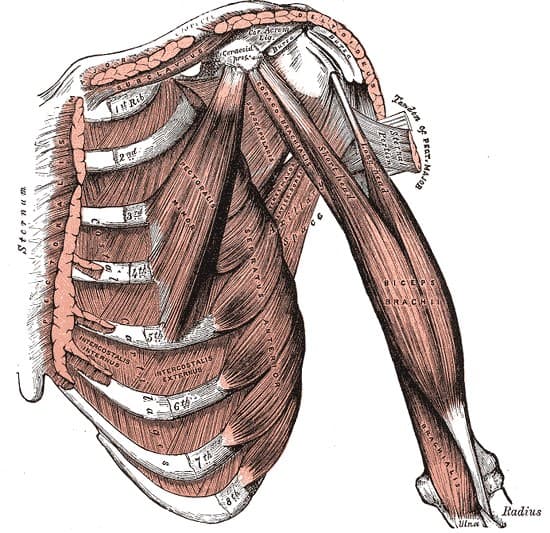
Gynaecomastia surgery for men
How Australian rooms distinguish true glandular gynaecomastia from chest fat, why an endocrine and medicine review comes first, and what excision versus liposuction and scar position actually involve.
Tom Hale · 14 January 2025
Liposuction: what it can and cannot do
Why liposuction is not a weight-loss method, how fluid shifts and skin quality limit the operation, and why hospital versus office setting and combination surgery change the risk conversation in Australia.
Tom Hale · 26 November 2024
Abdominoplasty after pregnancy or weight loss
A journalist’s explainer on pannus versus muscle separation, hernia, drains and early walking after abdominoplasty — and why Medicare criteria exist in Australia without promising a rebate.
Priya Menon · 12 November 2024