Breast lift (mastopexy), explained
How a mastopexy differs from a reduction and from an implant, what scar patterns are discussed in general terms, why gravity and ageing continue after surgery, and why combining a lift with another breast operation adds risk.
Priya Menon, Features writer · 15 October 2024 · 7 min read · Updated 22 January 2026
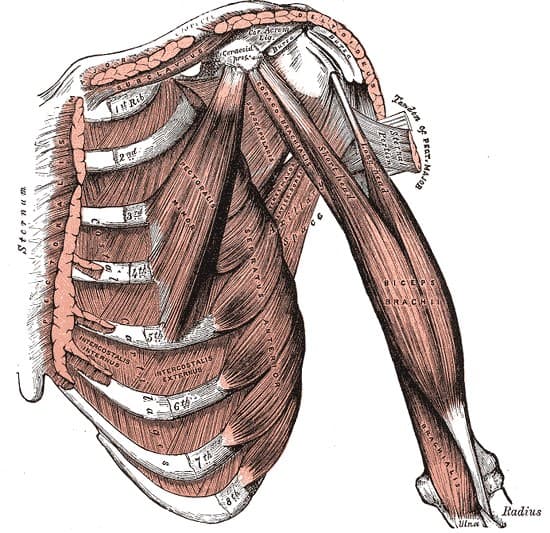
A breast lift — mastopexy, in the language of an operation note — is one of the more frequently misunderstood operations in Australian rooms. People hear “lift” and imagine a procedure that puts the breast back where it was at twenty, without a scar and without a conversation about volume. What the operation actually does is rearrange skin and breast tissue so that the nipple sits higher on the mound and the envelope is tighter. It does not invent tissue that pregnancy, weight change or time have already taken away. It does not stop gravity. And it does not become a reduction or an augmentation just because a clinic has bundled those words on a menu.
This explainer is journalism for readers preparing a consult. It is not a recommendation. For implants and for reduction, read the companion pieces on augmentation and Australian regulation and breast reduction. All three live in the breast-surgery hub; the distinctions are the point.
Lift, reduction, implant: three verbs
Mastopexy raises and reshapes. The surgeon removes skin, may reshape the remaining gland, and relocates the nipple–areola complex to a higher point. Volume is not the organising aim, though a small amount of tissue may be taken to make the shape work. People who are mainly bothered by a nipple that points downward, by skin that sits empty in the upper pole, or by asymmetry of position are in this conversation.
Reduction removes a planned volume of breast tissue as well as skin, and repositions the nipple. People who are mainly bothered by weight, groove marks, rashes, or a size that dominates the torso are in that conversation. The scars can look like mastopexy scars. The intent is different, and so, sometimes, is the Medicare discussion.
Augmentation adds a device. It can fill an empty upper pole. It does not, by itself, reliably lift a nipple that has descended a long way. Putting a large implant into a lax envelope is a recognised way to create a new problem: a heavy device in loose skin. That is why “just put an implant in” is not always an answer to ptosis, and why a lift-plus-implant consult is a different, longer conversation than either operation alone.
A man or a person who has had substantial weight loss, a gender-affirming history, or reconstruction after cancer may be in a related but not identical discussion. Those pathways have their own consent and, often, their own teams. This piece is about the aesthetic and post-pregnancy mastopexy most commonly asked about in private rooms. It is not a reconstruction guide.
Doing nothing remains an option. Bras, physiotherapy for shoulder symptoms, and time after breastfeeding are not failures of nerve. They are conservative care. Surgery is the step you take if, after that, the anatomy and the request still match.
Gravity, ageing and the unfashionable word “ptosis”
Surgeons grade how far the nipple has fallen relative to the fold under the breast. You do not need the scale memorised. You need to know that a mild descent and a nipple that sits below the fold are different operations in terms of skin excision and scar. Pregnancy, lactation, weight loss and the ordinary years all stretch Cooper’s ligaments and the skin. Sun and smoking do not help the skin’s recoil. None of that is a moral story. It is why two people of the same age can be in different consults.
A lift changes the starting point. It does not repeal physics. Over subsequent years the breast will continue to move with gravity, with any further pregnancy, and with weight change. A person who expects never to see descent again has been sold a freeze-frame. This journal will not describe a “youthful, lasting shape” and will not publish before-and-after photographs that imply one. The useful question is whether the trade — a scar pattern you have seen drawn on your own skin, a recovery measured in weeks, a risk list — is acceptable for a period of improvement whose length no one can honestly specify.
Weight that is still moving is a timing problem. So is a pregnancy already planned for the next year. Operating is sometimes still reasonable; it should then include the possibility of a further operation later. That is not upselling. It is arithmetic.
Scar patterns, in general terms
The scar is the price of taking in the envelope. In general terms, three patterns are discussed:
- A scar confined to the circumference of the areola, sometimes called peri-areolar or “doughnut”, used when only a modest lift is required. It can widen the areola if the tension is high. It cannot remove a large apron of skin.
- A peri-areolar scar plus a vertical scar from the areola toward the fold — the “lollipop”. This is a workhorse for many moderate lifts.
- The same plus a horizontal scar in the inframammary fold — the inverted T or “anchor”. More skin can be removed. There is more scar.
Which pattern appears on your plan depends on how far the nipple must travel, how much skin is surplus, and the surgeon’s judgement about blood supply to the nipple. It is not a prestige ranking. Asking to “do it with the smallest scar” when the anatomy wants an anchor is how people collect a second operation. Ask to see the pattern drawn. Ask how the surgeon handles a wide areola, and whether the fold scar is likely to sit in the fold once you stand up.
Scars mature over months to a year or more. They are red and firm before they are pale and quiet, if they become pale and quiet. Hypertrophic and keloid scars are more often discussed when there is a personal or family history. Skin type, tension and infection all influence the line. No cream sold in a recovery bag rewrites that biology, and this journal will not recommend one.
The nipple is moving on a pedicle of tissue, as it does in a reduction. Sensation can change. Blood supply can fail; partial or complete nipple loss is uncommon and not imaginary. Breastfeeding after mastopexy is uncertain, for the same duct-and-tissue reasons that apply to reduction. If that uncertainty matters, say so before a date is chosen.
Combination operations add risk — they are not a default
Lift plus implant is the combination people request when they want both a higher nipple and more upper-pole volume. It is a recognised operation and a harder one. The surgeon is tightening skin and inserting a device that will occupy space and have weight. Circulation to the nipple, the chance of wound problems, and the chance of needing a revision are all part of a longer consent. Some surgeons stage the two operations — lift first, device later, or the reverse — precisely to manage those risks. Staging is not indecision. It is a safety choice.
Lift plus reduction language is usually just a reduction: volume is coming out. Lift plus liposuction at the side of the chest may be proposed for contour. Each add-on is extra anaesthetic time, extra bruising, extra ways for a wound to misbehave. Ahpra’s cosmetic-surgery rules still expect a referral, a cooling-off period and a psychological screen when the context is cosmetic. Combining procedures does not shorten those steps.
Anaesthesia is typically general, in a licensed hospital, with a specialist anaesthetist. Day surgery or an overnight stay depends on the extent and on the service. Drains are optional in many protocols. The bra — supportive, usually without an underwire, for a period the surgeon names — is not optional in the ones that use it. Follow the written plan you were given, not a forum.
Recovery windows and the long look at a scar
The first days are swelling, limited arm movement, and the shock of seeing a breast that is bruised and taped. That appearance is not the result. Desk work is often discussed around the one-to-two-week mark; lifting, gym work and running later, often in a four-to-six-week band or beyond. Those are ranges. A haematoma, an infected wound or a nipple-perfusion worry resets them. Driving is a “can you use the steering wheel and the seatbelt without tearing a wound” question, not a day number.
Sleeping position, showering, and when to let a partner see the scars without a surgical explanation prepared are the human parts. Numbness over the lower pole is common early. Itching as nerves recover is common later. Sudden swelling on one side, fever, a nipple that darkens, breathlessness or chest pain are reasons to call the treating team or 000. Healthdirect (1800 022 222) exists for the grey zone.
Check the practitioner on the Ahpra register. “Specialist plastic surgeon” is a protected title. Ask how often they perform mastopexy without an implant, and how often they combine it — not because volume equals quality, but because you want a surgeon who is not reaching for a device as a habit. Ask what they would not try to correct. Ask what a revision would involve if the nipple height or the scar needed further work.
A mastopexy is a scar-for-position trade made in a tissue that will keep ageing. It can be an appropriate operation for some people after an unhurried consult. It is not an implant, not a reduction, and not a pause button. If those three sentences are clear in your own words, you are ready to use a consultation. If they are not, keep reading the companion pieces and take the leftover questions into the rooms — not onto a page that promises a photograph.
Questions readers ask
- Is a breast lift the same as a reduction?
- No. A mastopexy rearranges skin and breast tissue to raise the nipple and tighten the envelope. A reduction also removes a meaningful volume of tissue. The scar patterns can look similar. The intent, the consent and sometimes the funding are different.
- Does a lift include an implant?
- Not automatically. Some people discuss a lift alone; some discuss a lift plus an implant; some discuss an implant alone. Adding a device adds device risks and a second set of decisions about pocket and size. Combination operations are not a default upgrade.
- Where are the scars?
- In general terms, patterns include a scar around the areola, a vertical scar down the breast, and sometimes a scar in the fold underneath — often described as doughnut, lollipop or anchor patterns. The choice follows how far the nipple must move and how much skin must be removed. Scars are permanent.
- Will the breast stay in the new position?
- Gravity, ageing, weight change and pregnancy continue. A lift does not freeze a shape. Further descent of tissue over years is expected biology, not necessarily a failed operation. Anyone who promises a permanent youthful breast is advertising, not consenting.
More in this hub
Implant revision and explant surgery
Why breast-implant revision happens — rupture, contracture, malposition, preference — and how explant with or without a lift is discussed, including imaging and the fact that no operation can promise a return to a pre-implant appearance.
Tom Hale · 29 October 2024
Breast reduction, medical and aesthetic considerations
Reduction mammaplasty is discussed for symptoms as well as for appearance. This explainer covers that split, the existence of Medicare criteria without treating a website as an assessor, scars, sensation, and why breastfeeding after reduction cannot be promised.
Priya Menon · 1 October 2024
Breast augmentation, implants and Australian regulation
How the TGA regulates breast implants as devices, what registries are for, why BIA-ALCL is raised as a rare risk, and how sizing and screening are discussed in Australian rooms — without advertising a brand.
Tom Hale · 17 September 2024