Breast reconstruction after mastectomy in Australia
Immediate versus delayed reconstruction, implant and autologous options described in general terms, the public multidisciplinary pathway, and why this is reconstructive medicine rather than cosmetic advertising.
Tom Hale, Science editor · 28 January 2025 · 8 min read · Updated 8 March 2026
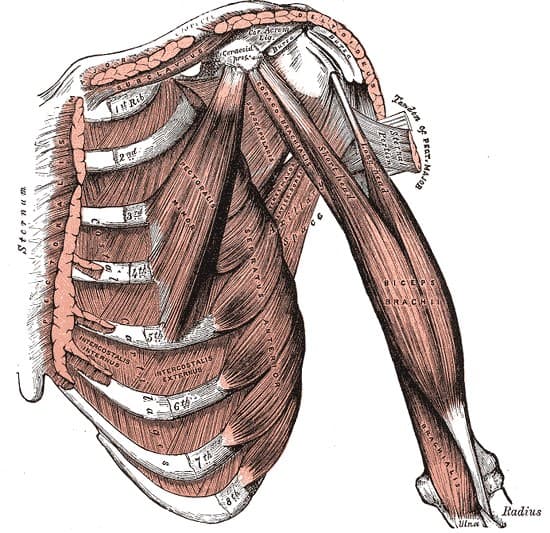
Breast reconstruction after mastectomy is part of cancer care, or of risk-reducing surgery for people with a high inherited risk. It is not a cosmetic breast enlargement, and it should not be sold as one. Australian advertising law for regulated health services still applies — no testimonials, no promised cup size, no before-and-after gallery used as persuasion — but the clinical frame is different from an aesthetic consult. The aim, when someone chooses reconstruction, is to rebuild a breast mound and, often later, a nipple, in a way that fits that person’s body, treatment and tolerance for further operations. Some people choose a prosthesis and clothes. That is not a lesser outcome. It is a different decision.
This is a science editor’s explainer for readers in Australia, not a recommendation of a method. Check practitioners on the Ahpra register. The wider reconstructive tradition is sketched in reconstructive plastic surgery beyond cosmetics. Implant regulation as it applies to aesthetic surgery is a separate essay: breast augmentation, implants and Australian regulation. Start with the reconstructive hub for the neighbouring pieces.
Immediate and delayed are timings, not grades
Immediate reconstruction begins at the mastectomy: the breast-cancer or general surgeon removes the breast tissue, and a plastic-surgery team starts the mound in the same anaesthetic or the same admission. The advantages that teams discuss are straightforward — fewer operations, a chest that never goes flat if that matters to the person, and skin that has not yet contracted. The disadvantages are also straightforward. Cancer treatment is not always fully mapped on the morning of the first operation. If radiation is later required, an implant-based reconstruction sits in a higher-complication environment. A longer combined anaesthetic is a longer anaesthetic. A complication in the reconstruction can, in some circumstances, delay chemotherapy.
Delayed reconstruction waits. The person lives with a flat chest or a prosthesis while chemotherapy, radiation or simply time proceeds. The chest skin and the scar mature. The cancer plan is clearer. The reconstruction can then be designed for the chest that exists, including a radiated chest, which often pushes the conversation towards autologous tissue rather than a device. The cost of waiting is psychological for some people and practical for others — a second major operation, a second recovery, a later date.
Skin-sparing and nipple-sparing mastectomy, where oncologically appropriate, change what the reconstructive team has to work with. Those are cancer decisions first. A desire to keep a nipple does not override a tumour’s position or a genetic-risk protocol. Reconstruction should never drive a lesser cancer operation.
There is no ranking in which immediate is “gold” and delayed is “settling”. Multidisciplinary teams exist so that timing is argued from tumour biology, radiation likelihood, smoking status, diabetes, body mass, and what the person actually wants to live with next month.
Implant-based and autologous, in general terms
Implant-based reconstruction uses a silicone-gel or saline device to make a mound. Sometimes a temporary expander is placed first and filled gradually; sometimes a direct-to-implant operation is proposed when the skin envelope allows. The device may sit under the pectoral muscle, in front of it, or in a combination, sometimes with a mesh or matrix to support the lower pole. This journal describes classes of device and material. It does not advertise a brand. Implants used in Australia should be included on the relevant TGA register; that is a starting check, not a quality slogan.
The appeal of an implant pathway is a shorter initial operation and no donor site on the abdomen or back. The ongoing account is a device: rupture, capsular contracture, infection, visibility and rippling in thin skin, the possibility of further operations, and a rare immune-cell cancer associated with some textured implants that is discussed in Australian and international safety communications. Radiation raises the complication rate. Thin mastectomy flaps raise the aesthetic difficulty. Anyone who describes an implant reconstruction as maintenance-free is not describing the device.
Autologous reconstruction uses the person’s own tissue. The common donor sites in Australian units are the lower abdomen — transferring skin and fat, and usually leaving the muscle behind in contemporary perforator-flap practice — and the back, using a paddle of skin and latissimus dorsi, often still with an implant underneath if the paddle is thin. Other donor sites exist. Microsurgical transfer of an abdominal flap is a longer operation, needs a team that does this work regularly, and produces a second scar and a period of abdominal precautions similar in spirit to an abdominoplasty recovery. Blood supply to the flap is the intraoperative anxiety: a flap that does not run may need urgent return to theatre.
Neither method is “more advanced” as a marketing phrase. Microsurgery is more logistically demanding. An implant is more device-dependent. Some people have both, in sequence. Some have a reconstruction on one side and a balancing operation on the other. Symmetry is an aim and not a promise. A reconstructed breast does not age, gain or lose weight in quite the same way as the breast that remains.
Fat grafting — transferring small amounts of suctioned fat to soften an edge or a radiation dent — is an adjunct in many pathways. It is not a full reconstruction by itself in most mastectomy settings. Liposuction at a donor site has its own limits, already discussed elsewhere on this site.
The public pathway and the MDT
Australia’s public hospitals are the default home of this work for a large share of patients. A breast-cancer diagnosis typically enters a multidisciplinary team: breast surgery, medical oncology, radiation oncology, radiology, pathology, breast-care nursing, and, where reconstruction is on the table, plastic surgery. That meeting is not ceremonial. Radiation plans change reconstructive choices. Chemotherapy timing changes when a second donor-site wound is acceptable. Smoking cessation, diabetes control and body-mass discussions happen here because they change flap and implant survival, not because anyone is moralising.
Referral into a public plastic-surgery clinic may come from the breast surgeon or the GP. Waiting times vary by city and by method. Microsurgical autologous reconstruction is not available in every hospital; some people are referred to a unit that does it. That geographic fact is part of informed consent in a large country. Interstate travel for a particular flap is sometimes proposed and should come with a plan for urgent review if the person then goes home.
Private reconstruction is available where a specialist plastic surgeon and a private hospital have the relevant theatre time and, for microsurgery, the relevant team. Medicare items exist for reconstruction after mastectomy; they are the ordinary funding language for this care, unlike purely aesthetic breast surgery. Private health insurance, waiting periods and gap fees still apply. A quote should separate surgeon, assistant, anaesthetist and hospital. A second stage — nipple reconstruction, fat grafting, implant exchange, contralateral balancing — is often a separate admission and a separate invoice, public or private.
Nipple reconstruction and areolar tattooing, where offered, are later, smaller procedures. They do not restore lactation or normal erogenous sensation as a rule. Sensation after mastectomy is commonly reduced; nerve-preserving and nerve-graft techniques exist in some units and are not universal. Hope is not a technique.
This is not cosmetic advertising
The temptation, online, is to show a sequence of torsos and call it inspiration. Ahpra’s advertising guidelines do not make cancer an exception to the ban on testimonials. A reconstructed breast that looks a particular way on one person is not a result another person can be promised. Radiation, flap thickness, implant plane, weight change and luck intervene. This journal will not publish before-and-after galleries and will not use words that guarantee a look, a cup, or a return to how things were.
Language matters in the rooms as well. Reconstruction is not “getting your life back” as a slogan. Some people feel more at ease in clothes. Some people are surprised by how little they mind a flat chest once the cancer plan is stable. Some people regret an implant and later convert to autologous tissue, or the reverse. Regret and revision are part of the data, not a failure of character.
Contralateral risk-reducing mastectomy is a separate, genetically and oncologically framed decision. It should not be offered as a symmetry shortcut. Breast-conserving surgery with oncoplastic rearrangement is another pathway when it is oncologically sound; it is not “reconstruction after mastectomy” and it has its own scar and radiation conversation.
If you are reading this before a diagnosis is settled, the useful next step is the breast-care nurse and the MDT, not a gallery. If you are reading it years after a mastectomy, delayed reconstruction remains a legitimate referral. If you are reading it because a clinic advertisement used the word “reconstruction” for an aesthetic lift, treat that as marketing until a registration type and an operative plan say otherwise.
Questions that belong in the room
Ask whether reconstruction is being discussed now or later, and what cancer facts would change that. Ask which methods this unit actually performs, and where you would be sent for a method they do not. Ask what radiation would do to the proposed plan. Ask about the donor site, the expected hospital stay, and the signs of a flap or implant problem at 2 a.m. Ask how many operations the typical pathway involves, including nipple work. Ask what the team would advise if you choose a prosthesis and no reconstruction — that answer should be calm.
Check titles. The cancer operation and the reconstruction may be done by two specialists in concert. “Specialist plastic surgeon” is a protected title. Breast-care nurses are often the most practical navigators of the public pathway; they are not a substitute for surgical consent.
Breast reconstruction after mastectomy is ordinary Australian hospital medicine. It can be immediate or delayed, implant-based or autologous, public or private. It is never a cosmetic advertisement, and it is never compulsory. The standard is a multidisciplinary plan, a scar and complication list spoken out loud, and a decision that can include not reconstructing at all.
Questions readers ask
- Is reconstruction a cosmetic operation?
- No. Reconstruction after mastectomy is reconstructive plastic surgery offered as part of cancer or risk-reducing care. It is not an aesthetic augmentation, and it should not be advertised with testimonials or promised looks. Outcomes vary, and some people choose not to reconstruct at all.
- What is the difference between immediate and delayed reconstruction?
- Immediate reconstruction begins in the same operation as the mastectomy, or during the same admission. Delayed reconstruction happens months or years later, after other treatment has settled. Neither timing is universally better; cancer treatment, health and preference decide.
- Implant or own tissue — is one correct?
- They are different methods. Implant-based reconstruction uses a device under the skin or muscle. Autologous reconstruction uses the person’s own tissue, often from the abdomen or back. Each has a different scar pattern, recovery and complication list. The choice is individual.
- Can this be done in a public hospital?
- Yes, many Australian public hospitals with breast-cancer and plastic-surgery services offer reconstruction through a multidisciplinary pathway. Waiting times and which methods are available vary by unit. Private care is an alternative, not a requirement.
- Does everyone have to have reconstruction?
- No. A well-fitted prosthesis, a delayed decision, or no reconstruction are legitimate choices. The useful standard is informed consent, not a default operation.
More in this hub
Reconstructive plastic surgery beyond cosmetics
Plastic surgery in Australia grew from trauma, burns, hands and cancer reconstruction. The old cosmetic-surgeons.com.au practice listed reconstructive work beside aesthetic operations because the same fellowship training covers both.
Clare Whitfield · 11 March 2025
Scar revision: realistic expectations
Hypertrophic scars versus keloids, why timing and skin of colour matter, and why silicone, corticosteroid injections and patience usually come before any operation — which is a last step, not a deletion of history.
Elise Nguyen · 25 February 2025
Skin cancer reconstruction on the face
How Australian teams talk about BCC, SCC and melanoma on the face, the difference between flaps and grafts, Mohs collaboration, surgical margins, and why sun protection is part of the aftercare, not an optional extra.
Tom Hale · 11 February 2025