Reconstructive plastic surgery beyond cosmetics
Plastic surgery in Australia grew from trauma, burns, hands and cancer reconstruction. The old cosmetic-surgeons.com.au practice listed reconstructive work beside aesthetic operations because the same fellowship training covers both.
Clare Whitfield, Editor · 11 March 2025 · 8 min read · Updated 28 February 2026
Ask a stranger in an Australian shopping centre what a plastic surgeon does and the answer will usually involve a facelift or a breast implant. That is a marketing accident, not a history of the specialty. Plastic and reconstructive surgery grew up in military hospitals, burns units, hand clinics and cancer theatres. Aesthetic operations sit on the same anatomical training. They are not the whole of it, and they were never the starting point.
This journal inherited a procedure list from an earlier version of cosmetic-surgeons.com.au. Archived pages from a southern Sydney practice named facelift, rhinoplasty and breast operations in the same table as reconstruction. That pairing was not a flourish. It was how Australian plastic surgery presented itself when the public still met the specialty mainly through public hospitals. The reconstructive hub exists to put that half of the work back in view.
A specialty born of injury
The word “plastic” in this context comes from the Greek plastikos: to mould. It does not refer to a polymer. The modern specialty took shape in the first half of the twentieth century, when surgeons treating facial wounds from industrial accidents and industrial-scale war had to invent ways to move skin, bone and lining so that a person could eat, see, breathe and be recognised.
Sir Harold Gillies, working with injured servicemen in Britain during and after the First World War, developed staged flap techniques that still sit in textbooks. The Second World War expanded burns care, hand reconstruction and the idea of a dedicated plastic unit inside a general hospital. Australian surgeons trained in that lineage and brought it home. By the late twentieth century, every major public hospital system in the country had plastic and reconstructive services dealing with trauma, malignancy and congenital difference — long before private aesthetic lists filled magazine pages.
The Royal Australasian College of Surgeons treats plastic and reconstructive surgery as a surgical specialty. Fellowship training is long, competitive and hospital-based. It includes emergency work, microsurgery, paediatric cases and cancer reconstruction as well as aesthetic operations. The Australian Society of Plastic Surgeons exists in that tradition. A reader checking a title on the Ahpra register is looking at that history, not at a brand.
Trauma and the everyday emergency
The most common reconstructive case is not a headline. It is a hand caught in machinery, a facial laceration from a bicycle, a tendon divided on a kitchen knife, a lower limb wound that will not close after an orthopaedic repair. Plastic surgery units in public hospitals take these referrals at all hours. The work is about coverage, sensation, motion and the avoidance of infection or contracture — not about a photographed “result”.
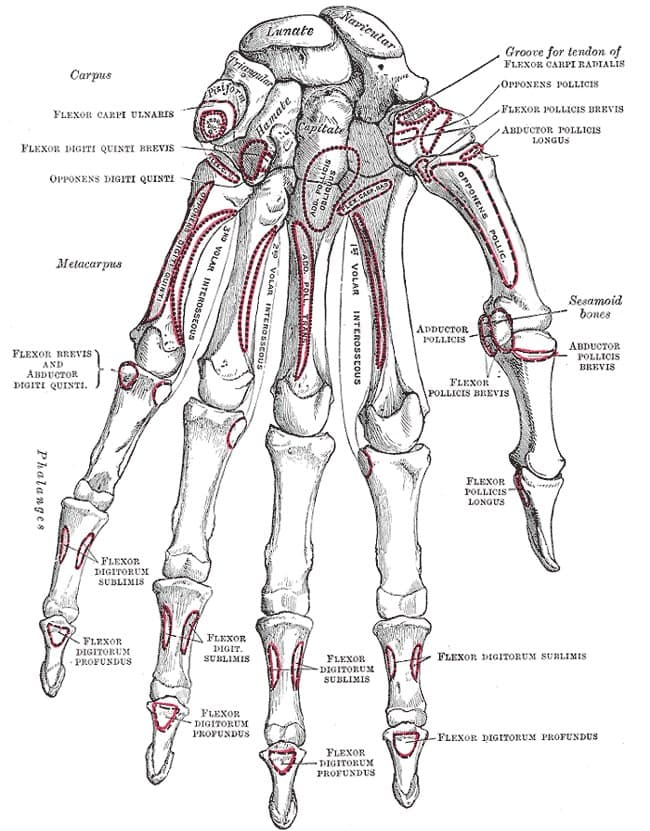
Hand surgery sits at the overlap of plastic surgery and orthopaedics. Bones, tendons, nerves, vessels and skin all occupy a small volume. A missed digital nerve or an inadequately covered flexor repair can change a person’s work for life. Australian units run hand clinics because volume and timing matter: some injuries need to be explored the same day; others can wait for a planned list. None of that work is cosmetic in the advertising sense. It is reconstructive in the oldest sense of the word.
Facial trauma follows the same logic. A fractured orbit, a divided facial nerve, a through-and-through lip wound — these are problems of layers and function. Closing the skin without restoring lining or muscle is not reconstruction. The specialty’s contribution is the habit of thinking in those layers.
Burns, scars and the long course of care
Major burns remain among the most demanding cases in any hospital. Survival has improved as intensive care, fluids and infection control have improved. The reconstructive problem then stretches over years: contractures that pull a neck or an eyelid, unstable scars, missing fingers, faces that a person has to relearn. Treatment may involve grafting, flap transfer, release of contracture, and later scar work. It is staged. It is not a single theatre list.
Australia’s geography concentrates major burns in a handful of designated units. Retrieval, intensive care and later outpatient scar clinics are a public-system achievement that rarely appears in consumer writing about “plastic surgery”. Patients and families move between those units and local hospitals. The reconstructive surgeon is one person in a team that includes intensive-care physicians, nurses, physiotherapists and psychologists.
Scar revision for people who were not burned is a smaller, more familiar request. A widened abdominal scar, a tight graft, a traumatic facial scar — these may be discussed years after the original injury. Revision can sometimes improve contour or softness. It cannot erase a history, and it introduces a new scar. We treat that subject separately, and we do not publish before-and-after galleries to sell the idea.
Craniofacial and congenital work
Craniofacial surgery — cleft lip and palate, craniosynostosis, major facial difference — is another public-hospital core of the specialty. It is usually multidisciplinary: speech pathology, orthodontics, paediatrics, neurosurgery, plastic surgery. Operations are timed around growth. A child may have several procedures over a decade. Families deal with waiting lists, travel to tertiary centres, and the ordinary fatigue of long treatment.
Adult craniofacial work includes trauma and tumour. Removing a malignancy from the orbit, sinus or jaw, then rebuilding the defect so that a person can speak and swallow, is reconstructive surgery at its most technical. Microsurgical free-tissue transfer — taking tissue from one part of the body and joining vessels under a microscope — made many of those reconstructions possible from the 1970s onward. It is still a hospital skill, not a clinic-room one.
Cancer, the face, and the breast
Skin cancer is an Australian public-health fact. Basal cell carcinoma, squamous cell carcinoma and melanoma are excised in rooms, day surgeries and hospitals every week. When the defect is small and the site is forgiving, closure can be straightforward. When the defect is on the nose, eyelid, lip or ear — or when margins are wide — reconstruction becomes the main operation. Local flaps, grafts and, in selected cases, larger transfers are used to restore cover and, as far as possible, function.
That work is easy to misread as cosmetic because it happens on the face. It is not cosmetic in the regulatory sense. The indication is disease. The aim is sound oncological clearance and a reconstruction that a person can live with. Our explainer on skin cancer reconstruction on the face stays with that distinction.
Breast reconstruction after mastectomy is the other high-volume reconstructive pathway that the public does recognise. Implant-based reconstruction, autologous tissue reconstruction, and delayed work after radiotherapy are discussed in Australian public and private settings. Medicare items exist for reconstruction after mastectomy in defined circumstances; they do not exist to fund an aesthetic preference. Timing, suitability and staging are individual. We set that out in breast reconstruction after mastectomy in Australia without promising a particular shape or a return to a former body.
Public hospitals and the dual practice
A distinctive feature of Australian plastic surgery is the dual appointment. Many specialist plastic surgeons hold public hospital sessions and also practise privately. In the public system they treat trauma, cancer, burns and congenital conditions. In the private system they may also discuss aesthetic operations with people who have sought them out. The anatomy does not change when the funding source does. The indication, the consent process and the advertising rules do.
This arrangement is why a serious practice website in the 2000s would list reconstruction next to eyelid surgery. The surgeons were describing their training, not assembling a catalogue. Public work also disciplines private work. A surgeon who spends Thursday on a trauma list is less likely to talk about facial operations as if they were a product.
Access is uneven. Public reconstructive care is prioritised by clinical urgency. A fungating tumour or an open fracture does not wait behind an elective list; an old scar or a delayed breast reconstruction might. Private pathways can shorten some waits and do not create a different biology. Readers comparing the two are comparing access and cost, not a promised appearance.
Why the old site listed reconstruction beside aesthetic work
The history of this domain is set out on our about page. For much of the 2000s, cosmetic-surgeons.com.au was the public face of a Kogarah and Caringbah practice. The surgeons held Fellowship of the Royal Australasian College of Surgeons and listed membership of the Australian Society of Plastic Surgeons and the Australasian Society of Aesthetic Plastic Surgery. The published table of operations included facelift, rhinoplasty, eyelid surgery, prominent ears, chemical peel, laser resurfacing, anti-wrinkle injections, breast augmentation and reduction, reconstruction, abdominoplasty, liposuction and early injectable treatments.
That table is the ancestor of this journal’s hubs. Reconstruction was not an afterthought in the list. It was a statement that the practice understood itself as a plastic and reconstructive service, not as a shopfront for a single fashionable operation. The educational tone of those pages — fellowship, nursing support, the difference between a comprehensive practice and a purely commercial clinic — is the tone we have tried to keep.
The market around the specialty has changed. Advertising is louder. Titles are more contested. Ahpra’s rules for advertising a regulated health service are stricter than a 2005 practice page had to meet. What has not changed is the underlying fact: a specialist plastic surgeon is trained in reconstruction. Aesthetic work, where it is offered, sits on that base. A site that only ever discusses implants and injectables is not describing the specialty. It is describing a market.
How a reader should use this
If you are waiting for public reconstructive care, the useful questions are clinical and practical: what is the indication, what are the stages, what is the expected hospital course, who is the responsible consultant, and what happens if a complication occurs after hours. Those questions belong in a consultation and in the written information a public unit should give you.
If you are considering an aesthetic operation and you want to understand whether the person across the desk is a reconstructive surgeon who also does aesthetic work, or a practitioner whose practice is only aesthetic, the Ahpra register and a direct question about hospital appointments are more reliable than a website hero image. “Specialist plastic surgeon” is a protected form of words. “Cosmetic surgeon” is not.
This publication does not rank clinicians and does not publish testimonials. Reconstruction, like every other operation discussed here, carries risk. Outcomes vary with anatomy, disease, timing, smoking, radiotherapy and luck. The point of putting reconstruction back beside the aesthetic list is historical accuracy, not a promise that one kind of surgery is nobler or safer than another.
The rest of the reconstructive hub takes particular pathways — cancer, scar, breast — and writes them at the length a consultation cannot. Read those essays as preparation for a conversation with a registered practitioner, not as a substitute for one.
Questions readers ask
- Is reconstructive surgery the same as cosmetic surgery?
- They share anatomy and training, but the indication differs. Reconstructive work addresses function, injury, congenital difference or disease. Aesthetic work addresses appearance without that medical indication. Many operations sit on a spectrum, and a registered specialist can explain where a proposed procedure sits for you.
- Do I need a specialist plastic surgeon for reconstruction?
- Complex reconstruction after cancer, major trauma, burns or congenital difference is usually planned in a specialist unit. Check the Ahpra register for specialist registration in surgery — plastic surgery. Other registered practitioners may treat some wounds or lesions; the question is whether their training matches the operation being discussed.
- Is reconstructive surgery available in the public system?
- Yes. Public hospital plastic surgery units manage trauma, burns, skin cancer, hand injuries and many congenital conditions. Waiting times and eligibility vary by state and by clinical priority. A general practitioner can advise how a referral works in your area.
- Why did older practice websites list reconstruction next to facelifts?
- Because Australian plastic surgery training has always included both. A comprehensive practice that listed reconstruction beside aesthetic work was describing a specialty, not a shopping list. That pairing is the historical shape of the work, not a marketing flourish.
- Will reconstruction restore the appearance I had before an injury or cancer?
- Reconstruction aims to restore form and function as far as the remaining tissue allows. It does not rewind an injury or a mastectomy. A treating team can describe options, stages and limits. No ethical explainer can promise a particular look.
More in this hub
Scar revision: realistic expectations
Hypertrophic scars versus keloids, why timing and skin of colour matter, and why silicone, corticosteroid injections and patience usually come before any operation — which is a last step, not a deletion of history.
Elise Nguyen · 25 February 2025
Skin cancer reconstruction on the face
How Australian teams talk about BCC, SCC and melanoma on the face, the difference between flaps and grafts, Mohs collaboration, surgical margins, and why sun protection is part of the aftercare, not an optional extra.
Tom Hale · 11 February 2025
Breast reconstruction after mastectomy in Australia
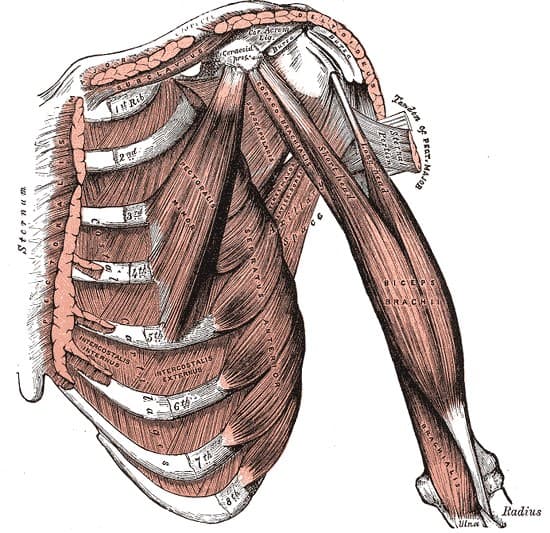
Immediate versus delayed reconstruction, implant and autologous options described in general terms, the public multidisciplinary pathway, and why this is reconstructive medicine rather than cosmetic advertising.
Tom Hale · 28 January 2025