Facelift surgery, candidacy and recovery
A journalist’s guide to how Australian rooms discuss facelift candidacy, SMAS versus skin-only approaches, neck work, anaesthesia and haematoma risk — with recovery described as ranges, not promises.
Priya Menon, Features writer · 5 August 2024 · 7 min read · Updated 10 February 2026
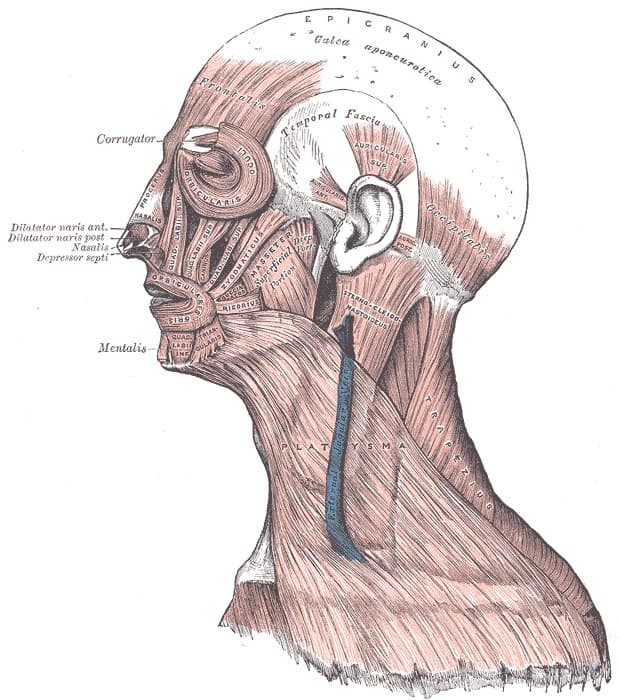
A facelift is one of the more loaded words in Australian cosmetic surgery. People bring photographs, a memory of a parent’s jawline, and a hope that one operation will rewind a decade. The anatomy does not work that way. What surgeons actually discuss is a set of tissues — skin, fat, and a fibromuscular layer called the superficial musculoaponeurotic system, or SMAS — that have changed with age, sun, weight fluctuation and genetics. An operation can reposition some of those tissues. It cannot pause time, and it cannot promise a particular face.
This piece is a journalist’s explainer for readers preparing a consultation, not a recommendation to have surgery. Titles, advertising and consent for cosmetic procedures in Australia sit under Ahpra. Devices and medicines sit under the Therapeutic Goods Administration. None of that replaces an examination by a registered medical practitioner you have checked on the Ahpra register. For a map of the related operations, start with the facial surgery hub.
What “facelift” is being used to mean
In public language, “facelift” is often a catch-all for any operation that tightens a face. In a surgical consult it is more precise. A traditional rhytidectomy is directed at the lower two-thirds of the face: the cheeks, the jawline, and frequently the neck. The forehead and the eyelids are neighbouring territories. They may be discussed in the same sitting — blepharoplasty is a common companion topic — but they are not the same incision, the same risk profile or the same recovery.
Surgeons also distinguish how deep the work goes. A skin-only lift, historically more common, elevates and redrapes the skin and relies on the skin itself to hold the new position. A SMAS-based approach addresses the deeper fibromuscular layer as well, on the reasoning that the SMAS is a more stable structure than skin alone. There are several named ways of handling the SMAS — plication, imbrication, limited or more extensive undermining — and they are technical choices, not marketing grades. This journal does not rank them. The useful question for a patient is simpler: which tissues does this surgeon intend to move, through which incisions, and what are the trade-offs of that plan in this face?
The neck is part of that conversation more often than clinic websites imply. Laxity under the chin, banding of the platysma, and the way the jawline meets the throat can dominate what a person sees in a photograph. Some operations include a neck lift or platysmaplasty; some do not. Leaving the neck untouched while tightening the face can look unfinished to the person in the mirror. Treating the neck adds time, scarring considerations and its own swelling. Neither choice is “more advanced”. It is a matching exercise between anatomy and an agreed goal.
Candidacy is not a vibe
People sometimes arrive convinced they are, or are not, “ready” because of an age. Age is a poor proxy. A surgeon is looking at medical history, medicines that affect bleeding, blood pressure, smoking and nicotine use, previous facial operations, skin quality, and whether the complaint is something an operation can address. Significant weight change still to come, untreated hypertension, or a request to look like a particular celebrity are the sorts of facts that should slow a booking down.
Candidacy is also psychological and legal. Since the 2023 cosmetic-surgery reforms, Australian practice for these operations includes a referral pathway, a cooling-off period, and an expectation that the person has been screened for body-dysmorphic symptoms. Those steps are not bureaucracy for its own sake. They exist because regret and mismatched expectation are clinical problems, not only customer-service ones. A second opinion from another registered specialist is ordinary medicine, not a snub.
What surgery cannot do belongs in the same hour as what it might. A facelift does not resurface sun damage, erase every line, or stop the face from continuing to age. Skin treatments, eyelid surgery and rhinoplasty answer different questions. Combining them is sometimes proposed; combination surgery lengthens anaesthetic time and multiplies the aftercare. That is a risk discussion, not an upsell.
Readers who are still in the weeks before a possible date should read our note on preparing for cosmetic surgery. Fasting, medicine lists, smoking cessation where advised, and who will stay overnight with you are unglamorous and more predictive of a safer admission than any product a clinic might sell.
Anaesthesia, the theatre and the first night
A full facelift is typically discussed as an operation under general anaesthesia, in a licensed hospital or day-hospital setting, with a specialist anaesthetist. Some more limited procedures are proposed under other anaesthetic arrangements. The setting is not a lifestyle choice. Airway support, monitoring, and the ability to manage bleeding are why these operations are not office-room events.
The first night is when staff watch for the complication everyone hopes not to see and everyone is obliged to name: haematoma. A collection of blood under the skin can produce sudden swelling, pain out of step with the expected ache, or a change in colour and tension on one side of the face. It can require a return to theatre. Risk is higher in people with poorly controlled blood pressure and in those taking medicines or supplements that affect clotting — which is why a complete medicine list, including over-the-counter products, is not optional paperwork.
Infection, nerve injury (often a temporary weakness of a facial-nerve branch), poor scarring, hairline or earlobe distortion, skin-edge problems in smokers, and asymmetry are the other names that should appear on a consent form. Listing them is not scaremongering. Omitting them would be. The frequency of each event varies with technique, patient factors and luck; no journalist can honestly convert that into a personal percentage.
Drains, dressings and a compression garment may or may not be part of a particular surgeon’s routine. What matters is that you leave with written instructions, a phone number that a human answers after hours, and a clear description of what warrants 000, an emergency department, or the surgeon’s rooms. Healthdirect (1800 022 222) is the national nurse triage line if you are unsure how urgent a symptom is and cannot reach the treating team.
Recovery windows, not recovery promises
The most common request in a facelift consult, after “will I look like me?”, is “when can I go back?”. The honest answer is a set of ranges with a wide scatter. Bruising and swelling are often most obvious in the first week and can remain socially noticeable into the second or third. Many people discuss a desk-based return in the order of two to three weeks, and a later return to gym work, yoga inversions, contact sport or heavy lifting — often in the four-to-six-week band or beyond. Those figures are not a contract. Faces swell differently. Desk jobs differ from teaching on a playground. A haematoma or a wound problem resets the clock.
Sleeping with the head elevated, avoiding bending and straining, and keeping scheduled reviews are the unfashionable core of aftercare. Make-up, hair colouring, and heat or sun on fresh scars are usually delayed; the exact intervals belong to the operating surgeon. Numbness around the ears and cheeks can persist for weeks or months. Tightness when turning the head is frequently described in the early period and is not, by itself, a verdict on the operation.
Photographs taken at one week are a poor guide to three months, and three months is not the last word on scar maturation, which can continue for a year or more. This journal does not publish before-and-after galleries and will not describe a “typical result”. Variation is the point. Anyone offering a guaranteed look is advertising, not consenting.
Travel is a practical Australian issue. Interstate patients sometimes underestimate how they will feel on a flight or a long car trip, and how they will access urgent review if they have already gone home. That logistics conversation should happen before the booking, not in the recovery bay.
How to use a consultation without being sold a face
Bring a list. Ask which plane the surgeon intends to operate in, and why, in language you can repeat to a friend. Ask whether the neck is included, where the scars will sit, and what happens to the hairline and the earlobe. Ask who the anaesthetist is, where the operation is performed, and what the overnight arrangements are. Ask how haematoma is recognised and who you call at 11 p.m. Ask what the surgeon would not try to change.
Check the practitioner on the Ahpra register. “Specialist plastic surgeon” is a protected title for medical practitioners with specialist registration in surgery — plastic surgery. “Cosmetic surgeon” is not. If the registration type is unclear, say so in the room. A second opinion is not disloyal.
Cost should be itemised: surgeon, anaesthetist, hospital, and the possibility of a return to theatre. Medicare does not underwrite a purely aesthetic facelift. Private health cover, where it exists, follows the fund’s rules and the clinical coding; that is a conversation with the fund and the hospital, not a promise from a website.
A facelift is a real operation with real downtime and a complication list that includes bleeding under the skin. It can be an appropriate option for some people after a careful work-up. It is never a personality upgrade, and it is never something a headline can honestly guarantee. Take the anatomy seriously, take the recovery ranges as ranges, and let the decision sit with you and a practitioner who is prepared to talk about what the operation cannot do.
Questions readers ask
- Is a facelift only a skin operation?
- Not in the way many people imagine. Contemporary discussions in specialist rooms usually distinguish a skin-only lift from operations that also address the superficial musculoaponeurotic system, or SMAS. Which plane a surgeon proposes, and whether the neck is included, is an individual clinical decision and is not a quality ranking.
- How long does recovery take?
- There is no single timetable. Bruising and swelling often occupy the first one to three weeks; many people discuss a longer period of social downtime and a later return to strenuous activity. Those windows are ranges, not guarantees, and they belong in a written recovery plan from the operating practitioner.
- What is a haematoma and why is it mentioned so often?
- A haematoma is a collection of blood under the skin. After a facelift it is one of the complications surgeons raise in consent because it can appear in the first hours or days and may need urgent review. It is a risk to understand, not a prediction that it will happen.
- Does a facelift replace eyelid surgery or skin treatments?
- No. A facelift is directed at the lower face and, often, the neck. The eyelids, brow and skin surface are different anatomical problems. Some people discuss more than one procedure; combining operations changes the risk conversation and is not automatically appropriate.
- Who decides whether someone is a candidate?
- A registered medical practitioner after an in-person assessment, not a website. In Australia, cosmetic surgery also sits under Ahpra’s advertising and practice rules, including referral and cooling-off requirements that the clinic should explain before any booking.
More in this hub
Chin and jaw surgery, including genioplasty
Genioplasty, chin implants and orthognathic jaw surgery are different operations. This explainer covers occlusion, joint planning with orthodontics, and why a hospital stay is part of the conversation for some — but not all — of these procedures.
Tom Hale · 3 September 2024
Otoplasty for prominent ears
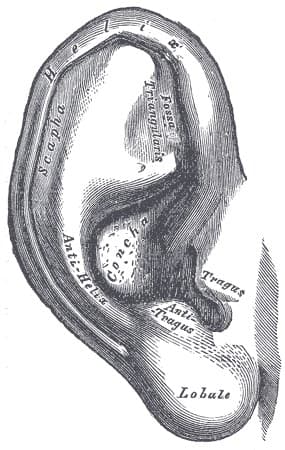
How Australian consultations discuss prominent-ear surgery in children and adults — timing, cartilage, head-band aftercare and the return to school or sport as matters for the operating surgeon, not a website timetable.
Priya Menon · 19 August 2024
Blepharoplasty — eyelid surgery considerations
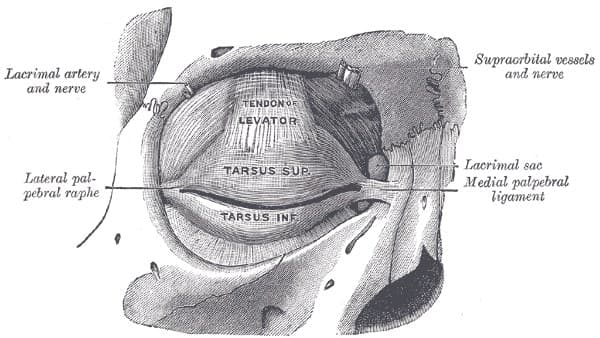
Upper and lower lids, dry eye, vision assessment, and the Medicare rules that apply only when clinical criteria are met. No promised look, and a reminder of when eyelid symptoms need urgent care.
Priya Menon · 22 July 2024