Chin and jaw surgery, including genioplasty
Genioplasty, chin implants and orthognathic jaw surgery are different operations. This explainer covers occlusion, joint planning with orthodontics, and why a hospital stay is part of the conversation for some — but not all — of these procedures.
Tom Hale, Science editor · 3 September 2024 · 7 min read · Updated 8 January 2026
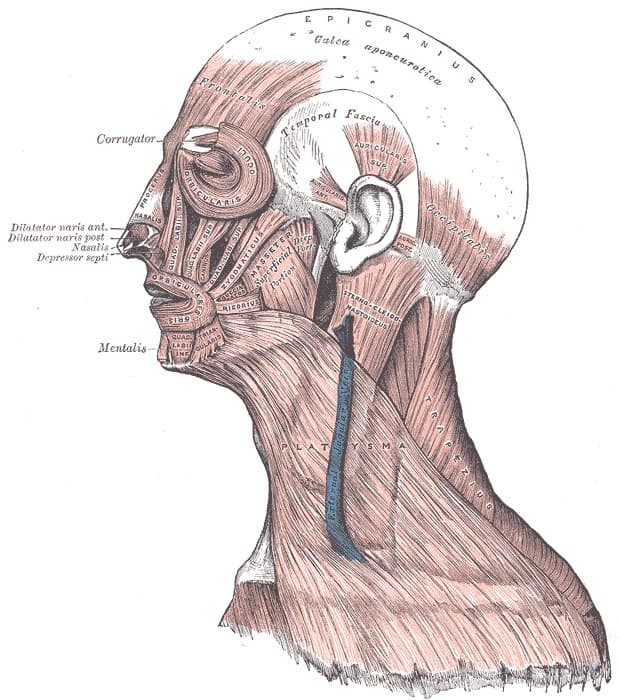
The chin is a small bone with a large job. It finishes the profile, anchors muscles of the lower lip and tongue, and, when people dislike it, becomes a stand-in for a more complicated feeling about the whole face. Australian consults for “chin surgery” therefore wander. Some people need a conversation about the bony chin alone. Some need a conversation about the jaws and the bite. Some, it turns out, need a conversation about the nose. Collapsing those problems into a single product is how patients end up with the wrong operation.
This is a science editor’s map of three families of procedure — genioplasty, chin implants, and orthognathic (jaw) surgery — written for readers, not for a booking form. It does not recommend any of them. Outcomes vary. Devices are regulated by the TGA and are not advertised here by brand. Start, if you want the wider facial context, at the facial surgery hub.
Three operations that are easy to confuse
Genioplasty, in the sense most specialist plastic and maxillofacial surgeons use the word, is a bony operation. The chin is cut (an osteotomy), moved forward, back, up, down or centred, and fixed with plates and screws. The soft tissue of the lip and chin follows the bone, within limits. Because the patient’s own bone is being moved, there is no implant to infect years later — which is not the same as saying there is nothing to go wrong. Osteotomy, fixation, nerve injury and irregularity of the bone edge are the trade-offs.
Chin implants are devices. A shaped implant is placed, usually through a mouth or a small skin incision, to sit on the front of the mandible and change the contour. The appeal is obvious: no bone cut. The costs are equally obvious once you say them aloud. The implant can shift, become infected, erode bone, or become a long-term foreign-body problem. Removal is a further operation. The TGA treats implantable devices as regulated goods; a consult should name the class of device in general terms, the follow-up plan, and what happens if the implant is later taken out. This journal will not name a brand.
Orthognathic surgery moves the jaws themselves — the maxilla, the mandible, or both — to change how the teeth meet and how the lower face sits. It is a different scale of operation. The chin point may change as a consequence of moving the mandible, and a genioplasty is sometimes added, but the organising fact is occlusion: the bite. People who have been told they have an underbite, a severe overbite, an open bite, or facial asymmetry that includes the dental arches are in this conversation, not in a simple “chin implant” conversation.
A fourth, quieter option is doing nothing, or doing dentistry and orthodontics without an osteotomy. It belongs on the list. Surgery is not the adult response to every profile a person has learned to dislike.
Occlusion is not a cosmetic extra
If the teeth do not meet in a way that the person can chew comfortably, or if a dentist or orthodontist has already named a jaw discrepancy, moving the chin point alone will not correct that. It may even disguise it. This is why reputable planning for lower-face surgery starts with a history of chewing, temporomandibular joint symptoms, previous orthodontics, wisdom teeth, and whether the person can close their lips without strain.
Joint planning with an orthodontist is standard in orthognathic pathways. Braces or aligners may be needed before and after the osteotomies so that the teeth fit the new jaw position. The timeline is measured in months to years, not in a single theatre booking. That is not delay for its own sake. Bone moves in millimetres; teeth move on a different clock. A surgeon who proposes to “fix the bite” without dental records, radiographs and a collaborator who understands occlusion is proposing something else.
Genioplasty without orthognathic surgery is appropriate for some people whose bite is acceptable and whose complaint is the chin point or the vertical height of the chin. The assessment still includes the dental midline, lip competence and the way the chin looks in motion, not only in a still profile photograph. Speech, lower-lip sensation and the mental nerves — the nerves that supply feeling to the lower lip and chin — are part of the anatomy being operated around.
People who arrive via a rhinoplasty enquiry are not confused. The nose and the chin are the two poles of the profile. A large nasal dorsum and a recessed chin can each make the other look more so. That is why a careful rhinoplasty explainer and a chin assessment sometimes belong in the same afternoon. Combining operations adds anaesthetic time and combines two swelling patterns. It is a risk conversation, not a package deal.
Imaging, models and what “planning” means
Orthognathic and genioplasty planning in contemporary Australian units typically involves clinical photographs, dental impressions or scans, and three-dimensional imaging. The point of the kit is not theatre. It is to agree, before anyone is anaesthetised, which millimetres are being moved and which problems are being left alone. Patients should ask to see the plan in a form they can understand: which bone, which direction, how the bite will change, and where the incisions will be.
Incisions for genioplasty and many jaw operations are often inside the mouth, which avoids a skin scar on the chin — and creates a different aftercare problem, because the wound lives in a wet, mobile, bacterially busy place. Oral hygiene, diet texture, and smoking status suddenly become structural facts. Skin incisions, when used for implants, have their own scar and infection profile. Neither route is “scarless” in any honest sense.
Fixation hardware — plates and screws — usually stays put. Removal is discussed if a plate is palpable, symptomatic or infected. That possibility should be on the consent form rather than discovered in a frustrated year-three appointment.
Theatre, anaesthesia and hospital stay
A chin implant may be proposed as day surgery. A sliding genioplasty may be day surgery or an overnight stay depending on the extent, the anaesthetic and the hospital. Orthognathic surgery is a longer anaesthetic, a longer operation, and more often a stay of more than one night. Swelling of the face and floor of mouth, bleeding, nausea, and the ability to drink and take analgesia by mouth are the practical reasons. The expected length of stay is a consent item. So is the possibility of a longer stay if swelling or a complication intervenes.
General anaesthesia with a specialist anaesthetist in a licensed hospital is the usual frame for osteotomies. The airway plan can be more involved when the jaws will be moved; that is the anaesthetist’s conversation. Elastic bands or wiring that limit how widely the mouth opens are used in some orthognathic protocols. People need to know, before the date, how they will eat, take medicines, and call for help.
Nerve injury, particularly altered sensation in the lower lip and chin, is one of the complications that should be said slowly. It may be temporary. It may not. Bite problems after jaw surgery, relapse toward the old position, infection, bleeding, damage to teeth roots, sinus issues when the upper jaw is moved, and the need for further surgery are the rest of the list — not all of them apply to every variant, which is why a generic internet list is a poor substitute for the form in front of you.
Recovery windows are ranges. Soft diet for a period measured in weeks is commonly discussed after osteotomy. Time off work depends on the job and on swelling that can remain socially obvious for a fortnight or more, sometimes longer after two-jaw surgery. Gym, contact sport and dental work have their own clearances. None of those clearances is a promise that you will feel ready.
How to keep the decision surgical rather than cosmetic-retail
Ask which of the three families you are actually in. Ask whether your bite is being treated, ignored, or deferred. Ask for the name and role of the orthodontist if the plan is orthognathic. Ask what happens to lower-lip sensation, and how a problem with a plate or an implant would be handled in two years’ time. Ask where the operation is performed and how many nights the hospital expects.
Check the practitioner on the Ahpra register. Orthognathic work in Australia is performed by specialist plastic surgeons with the relevant training and by specialist oral and maxillofacial surgeons; the title on the door should match the register, not a marketing line. “Cosmetic surgeon” is not a protected specialist title. If a device is proposed, ask how it is regulated and how it would be identified if there were a future safety notice. Do not accept a brand pitch in place of that answer.
Medicare and private health cover, where they apply at all, follow clinical criteria and fund rules. Some jaw operations sit closer to reconstructive or functional coding than a purely aesthetic chin implant. Eligibility is decided by the treating practitioners and the payer, not by a journal. Get the item numbers and the fund check before you treat a quote as complete.
The chin can be moved. The jaws can be moved. An implant can be inserted. Those are three different sentences. A good consult leaves you able to say which sentence you are in, why the others were set aside, and what the hospital stay and the bite will look like while you heal. If you cannot say those things, you are not ready to book — you are ready to ask more questions.
Questions readers ask
- Is genioplasty the same as a chin implant?
- No. Genioplasty usually means an osteotomy — a cut in the chin bone — so that the bony chin can be moved and fixed. An implant sits on top of the bone. They have different indications, different infection and malposition profiles, and different implications if the device later needs to be removed.
- When does jaw surgery become an orthognathic discussion?
- When the relationship between the upper and lower jaws, and therefore the bite, is part of the problem. Moving the chin point alone does not correct a malocclusion. Orthognathic operations are planned with dental and radiographic records, often alongside an orthodontist.
- Will there be a hospital stay?
- Implant-only or modest genioplasty cases are sometimes discussed as day surgery or a short stay. Orthognathic surgery more often involves a hospital admission measured in nights, not hours. The facility, the anaesthetic and the expected stay are part of consent, not an afterthought.
- Can chin surgery replace a rhinoplasty for profile balance?
- It cannot. The nose and the chin are neighbouring landmarks on the profile. Changing one can change how the other is perceived, which is why they are sometimes discussed in the same consult. They remain separate operations with separate risks. See our rhinoplasty explainer for the nasal side of that conversation.
More in this hub
Otoplasty for prominent ears
How Australian consultations discuss prominent-ear surgery in children and adults — timing, cartilage, head-band aftercare and the return to school or sport as matters for the operating surgeon, not a website timetable.
Priya Menon · 19 August 2024
Facelift surgery, candidacy and recovery
A journalist’s guide to how Australian rooms discuss facelift candidacy, SMAS versus skin-only approaches, neck work, anaesthesia and haematoma risk — with recovery described as ranges, not promises.
Priya Menon · 5 August 2024
Blepharoplasty — eyelid surgery considerations
Upper and lower lids, dry eye, vision assessment, and the Medicare rules that apply only when clinical criteria are met. No promised look, and a reminder of when eyelid symptoms need urgent care.
Priya Menon · 22 July 2024