Questions to ask at a cosmetic surgery consultation
A working list of consultation questions on facility accreditation, the anaesthetist, revision policy, cooling-off and photographs used for planning rather than advertising — written so you can take it into the rooms.
Clare Whitfield, Editor · 18 April 2024 · 9 min read · Updated 12 November 2025
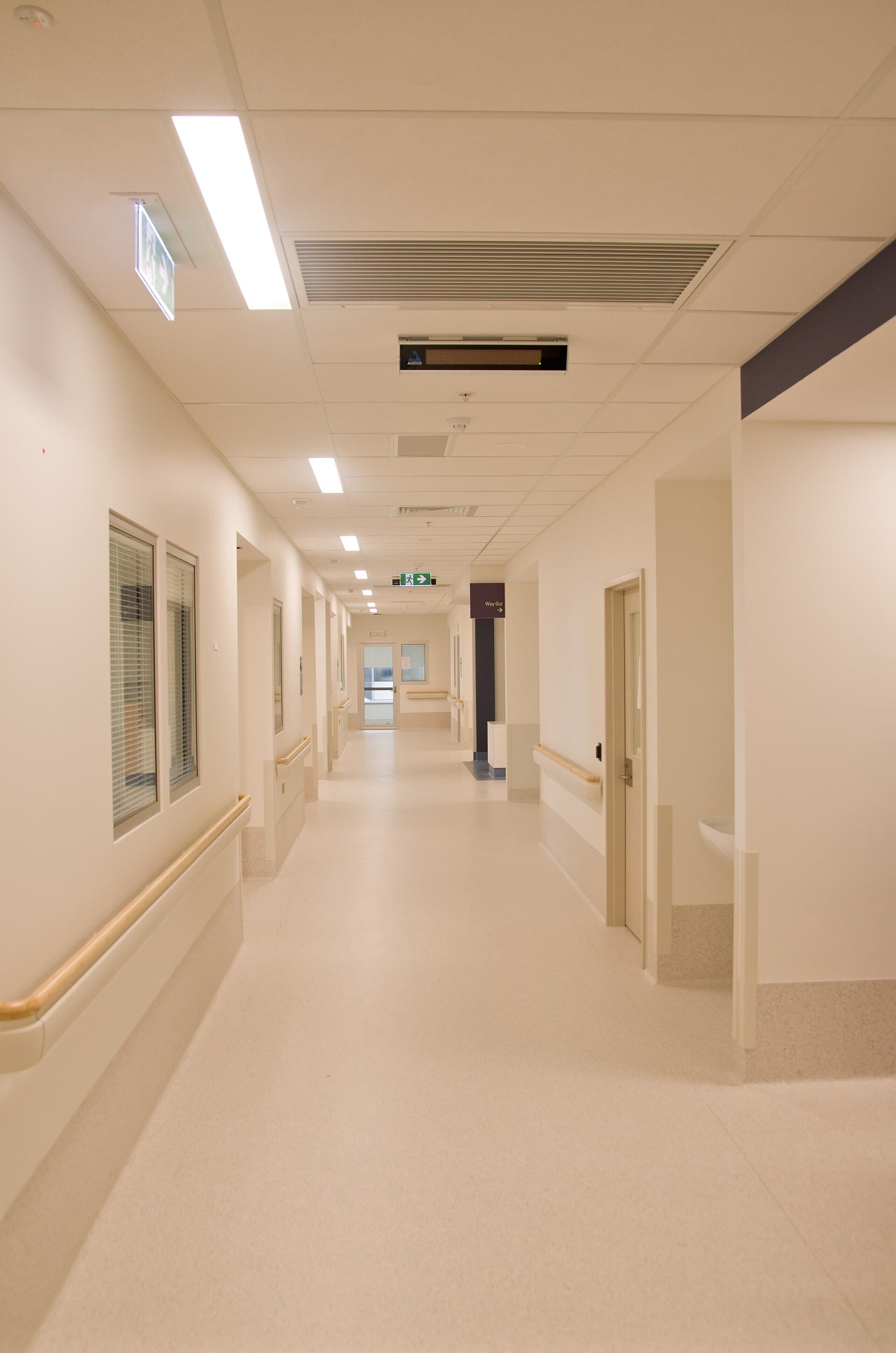
A cosmetic-surgery consultation is not a retail appointment that happens to include a blood-pressure cuff. Under Medical Board of Australia guidelines that took effect on 1 July 2023, it is a regulated sequence: an independent referral, at least two pre-operative consultations, an in-person meeting with the practitioner who would operate, screening for body dysmorphic disorder, a discussion of alternatives including no surgery, and a cooling-off period after consent. The questions you ask are how you test whether that sequence is real or whether you have walked into a sales funnel with a medical fit-out.
This list is written for people in Australia who are preparing to sit down, not for clinics preparing to convert. It does not promise that any answer will make an operation suitable. It does not invent a patient who “finally felt confident”. It treats the consultation as work you are allowed to do slowly. Keep informed consent open in another tab. If you leave unsure, read second opinions before you book. Recovery questions belong in the recovery hub as well as in the rooms.
Before you walk in
Bring the Ahpra listing you printed when you checked the register. Bring the GP referral and a list of medicines, supplements and previous operations. Bring glasses if you need them to read a consent form. Bring a person who will not be doing the selling if you want a witness to the words used.
Write your own aims in a sentence that does not include the word “perfect”. “I want to talk about the dorsal hump and whether addressing the septum would change my breathing” is a better opening than “I want the nose I have seen online”. Aims that depend on a celebrity photograph, a filter or a partner’s comment are information the practitioner is supposed to explore. They are also information you should hear yourself say out loud.
You should not be asked to sign consent at the first consultation. You should not be asked to treat a same-day deposit as a courtesy. If either happens, you are not in a process that matches the Board’s cosmetic-surgery guidelines. Leave, and tell your GP.
Questions about the person who would operate
Ask for the registration number if you do not already have it, and ask the practitioner to state their registration type and specialty field in the same words the register uses. “I am a specialist plastic surgeon” should survive a search. “I have been doing this for twenty years” is a different sentence.
Ask how often they perform the specific operation you are discussing, and in which facility. Frequency is not a league table, and this journal will not publish one. It is a way to find out whether you are a usual caseload or an exception. Ask who would perform the operation if they were ill on the day. Ask whether another practitioner has already declined to operate on you — the guidelines say you should be asked this; you can also volunteer it.
Ask who else will be in the room. A surgical assistant, a registrar, a nurse or a device representative can all be legitimate. You are entitled to know. Ask who will give the anaesthetic, and whether that person is a specialist anaesthetist. “The team” is not a name. Write the name down and search it too.
Ask how the practice handles after-hours problems. A mobile number that goes to a nurse, a locum arrangement with a private hospital, and “call the rooms on Monday” are three different systems. For the difference between expected recovery discomfort and a reason to seek urgent care, use the recovery hub rather than a clinic’s calmest adjective.
Questions about the facility
Where would the operation be done? Is it a licensed private hospital, an accredited day hospital, or rooms that are not set up for the anaesthetic being proposed? Cosmetic surgery is not a category that floats free of facility standards. The Medical Board’s guidelines require an appropriate facility; state and territory licensing sits underneath that sentence.
Ask whether the facility is accredited, by whom, and against which standard. Ask what happens if you need to stay overnight unexpectedly. Ask how you would be transferred if a complication required a higher level of care, and to which hospital. Ask whether the practitioner has admitting rights there.
These questions feel bureaucratic in a softly lit consult room. They are the questions that matter at 11pm. A beautiful waiting room does not ventilate an operating theatre or staff a recovery bay.
If the plan involves sedation or general anaesthetic in a setting you cannot locate on a hospital map, slow down. Ask for the facility’s name in writing. Search it. If the staff cannot name it, they cannot have arranged emergency cover there.
Questions about the anaesthetic
Who is the anaesthetist. What is their registration. Will you meet them before the day. What type of anaesthetic is proposed — local, sedation, general — and why that type for this operation. What are the material risks of that anaesthetic for someone with your history.
If you have sleep apnoea, reflux, a difficult airway, previous nausea after anaesthetic, or a heart or lung condition, say so before anyone talks about photographs. Anaesthetic planning is not an upsell. It is part of whether the operation should proceed in that facility at all.
Ask who is responsible for discharge criteria. Feeling “a bit groggy but fine to be collected” is a clinical judgement, not a rideshare preference. Ask what adult needs to take you home and stay. Ask whether you would be discharged with opioid medicine, and how that sits with your work, your driving and any history of dependence.
Questions about the operation and its limits
Ask the practitioner to describe the operation in words you can repeat to your GP. Which tissues would be moved, removed or supported. Where the incisions would sit. Whether grafting, mesh, implants or other devices are proposed, and which regulator oversees that device class. The Therapeutic Goods Administration regulates many implants and energy devices; brand-name advertising of prescription-only products does not belong in the pitch.
Ask what the operation cannot do. Ask what it will not change about the rest of the face or body. Ask how ageing, weight change, pregnancy or smoking would interact with the plan. Ask what “revision” would mean in this context — a small chair-side adjustment is not the same as a return to theatre.
Ask about material risks in language that is specific to you. Bleeding, infection, unfavourable scarring, asymmetry, numbness, the possible need for further surgery, and the possibility that the problem you dislike will not be resolved are the beginning of that list, not the end. For facial operations, ask about breathing, dry eye, eyelid closure, smile or oral competence where those structures are in the field. For breast and body operations, ask about blood clots, fluid collections and wound breakdown.
Ask what would make the practitioner decline. The guidelines require them to decline if the surgery is not in your interests. Hearing how they apply that duty is more useful than hearing how enthusiastic they are.
Photographs for planning, not for advertising
Clinical photographs are a normal part of assessment. They belong in the record. They help the practitioner plan and, later, help anyone providing a second opinion. Ask who will take them, who will store them, how long they will be kept, and whether they will be used for any purpose other than your care.
Advertising is a different act. Ahpra’s rules on advertising a regulated health service restrict testimonials and restrict before-and-after presentations used to create an impression of a typical result. You should not be asked to supply a review in exchange for a fee adjustment. You should not be shown a gallery as if it were a menu of guaranteed outcomes. This journal does not publish those galleries, and a consultation should not depend on them.
If you are shown images, ask whether they are published with consent for advertising, whether they are typical, and what is not shown — lighting, posture, make-up, the month after surgery versus the year. Then put the tablet down and return to your own anatomy. You are not buying a photograph.
Revision policy, fees and the cooling-off period
Ask what the practice does if a complication occurs, and what it does if you are dissatisfied without a complication. Those are different conversations. A policy that covers unplanned return to theatre for a haematoma is not the same as a policy about aesthetic disappointment. Neither policy can guarantee a result. Anyone who says it can is advertising, not consenting.
Ask which fees are quoted: surgeon, anaesthetist, facility, assistant, implants or devices, garments, pathology, and follow-up visits. Ask which of those quotes might change if the operation takes longer. Ask what is not included. Ask how a revision would be billed if the practitioner believes it is medically indicated, and how it would be billed if you simply want a different look.
Then ask them to walk through the cooling-off rules out loud. For cosmetic surgery there must be at least two consultations; at least one in person with the operating practitioner; no consent signature at the first visit; and at least seven days after informed consent before a booking or a deposit. If the timeline on the quote sheet is faster than that, the quote sheet is wrong.
Ask whether a booking fee is refundable if you use the cooling-off period to decide against surgery. A process that punishes pause is not designed around the guideline.
Recovery, work and the week after
Ask for a recovery description in ranges, not slogans. Time off work, time before driving, time before exercise, and time before an event you are using as a deadline are four different clocks. If your deadline is a wedding or a flight, say so. A responsible answer may be that the date should move, not that the swelling will.
Ask what symptoms should trigger a call, a return to the rooms, an emergency department or 000. Ask how medicines will be managed — blood thinners, complementary products, anti-wrinkle injections or dermal fillers already in the field. Ask whether you need a carer in the house.
Take those answers to the recovery hub and to your GP. Aftercare copy on a clinic card is not a substitute for knowing where you would go at night.
How to use the answers
Write as you go. Repeat the answers in your own words and ask whether you have them right. That is not rudeness. It is how informed consent is built.
If the room runs on flattery, scarcity (“we only have one theatre list this quarter”) or a sense that asking about accreditation is disloyal, you have learned something that no brochure will print. You can end a consultation. You can seek another. You can decide that the most conservative operation is no operation.
The consultation is your time. The guidelines exist because too many people were processed through a single enthusiastic meeting and a deposit. Bring questions that make that processing impossible. Then go home and read your notes before you sign anything at all.
Questions readers ask
- Can I be asked to sign consent or pay a surgical deposit at the first visit?
- For cosmetic surgery, Medical Board guidelines say you must not be asked to sign consent forms at the first consultation. There must also be a cooling-off period of at least seven days after two consultations and informed consent before the surgery can be booked or a deposit paid.
- Why does the facility matter if I like the practitioner?
- Cosmetic surgery must be performed in an appropriate accredited facility. Accreditation, emergency transfer arrangements and who is present if something goes wrong are separate from the title on a business card. Ask where the operation would happen and what that licence covers.
- Are consultation photographs the same as advertising images?
- No. Photographs taken for planning and the clinical record are part of assessment. Images used on a website or social feed are advertising of a regulated health service and sit under Ahpra rules that restrict testimonials and the way results may be presented.
- What if I feel rushed or flattered rather than informed?
- That is a reason to slow the process, not to be polite. You can take the notes home, use the cooling-off period, and seek a second opinion. A consultation is not a courtesy you owe the rooms.
More in this hub
Second opinions before cosmetic surgery
When another registered practitioner is useful, how to request records and use a GP referral, and why a second opinion is not a search for the first person who will say yes.
Clare Whitfield · 20 June 2024
Informed consent for cosmetic procedures in Australia
Consent is a process, not a signature. How material risks, alternatives including no surgery, and the cosmetic-surgery cooling-off rules work — and what a first visit cannot legally rush.
Clare Whitfield · 9 May 2024
Specialist plastic surgeon or cosmetic doctor — how Australian titles work
FRACS, specialist registration in plastic surgery, the 2023 title reforms, and why “cosmetic surgeon” is not an Ahpra specialist title. A register check still beats a website biography.
James Okonkwo · 4 March 2024