Second opinions before cosmetic surgery
When another registered practitioner is useful, how to request records and use a GP referral, and why a second opinion is not a search for the first person who will say yes.
Clare Whitfield, Editor · 20 June 2024 · 9 min read · Updated 15 September 2025
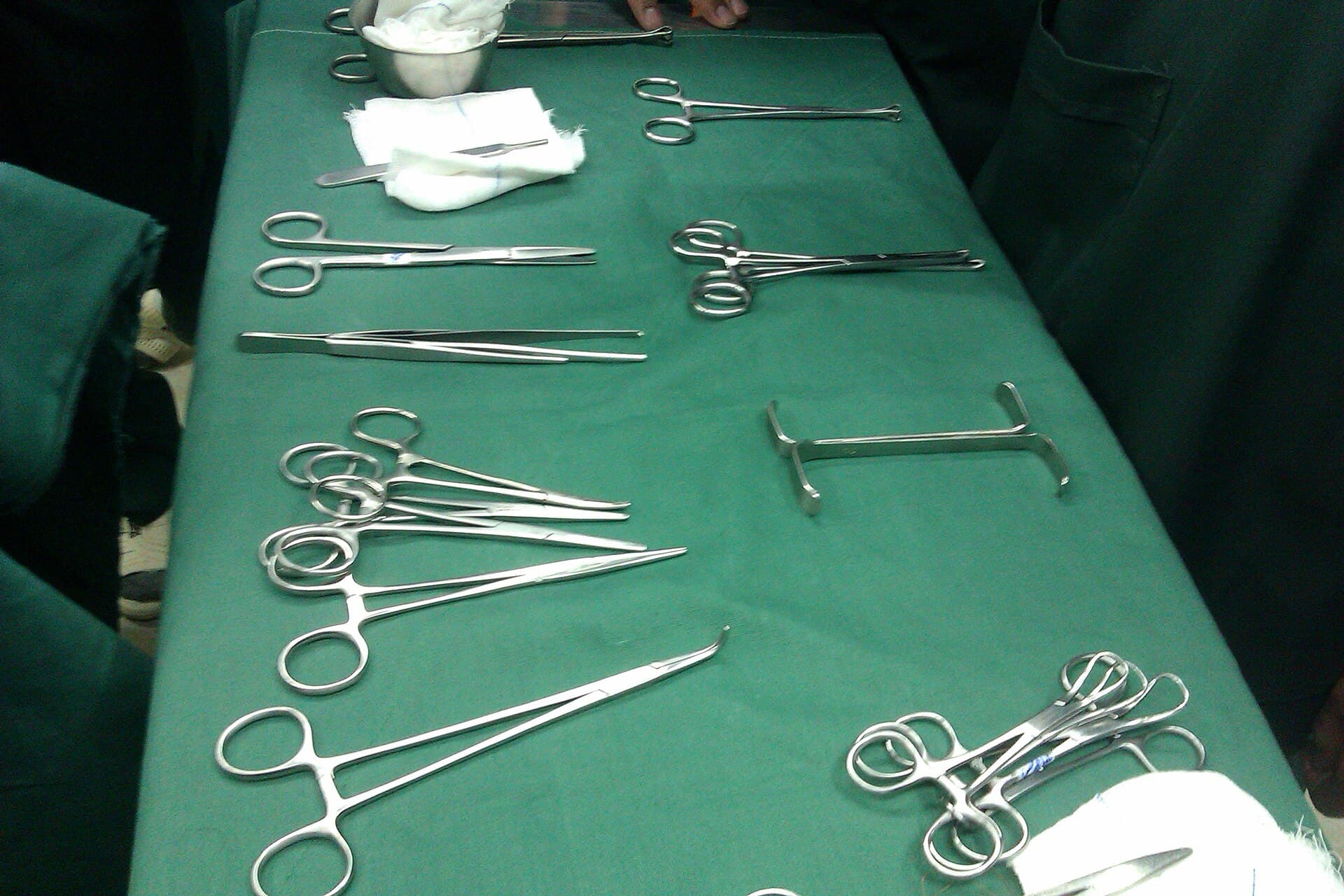
A second opinion is one of the few tools in cosmetic medicine that costs time rather than tissue. Used well, it is how you test whether a plan is specific to your anatomy or specific to a particular rooms’ preferred operation. Used poorly, it becomes a tour of practitioners until someone agrees with a photograph you brought from a social feed. The Medical Board of Australia’s cosmetic-surgery guidelines assume that decline happens, and that patients will sometimes already have heard no. The guidelines do not describe a hunt for a yes.
This piece is about when another registered practitioner is useful, how to move records without turning the request into a confrontation, and how a GP referral is supposed to sit in the middle of the process. It does not invent a patient who “saved themselves from a mistake”. It does not tell you that two opinions will converge on a correct look. Looks are not promised here. Check every name on the Ahpra register before you book either visit. For the weeks immediately before an operation you have already decided to have, see preparing for cosmetic surgery.
When another opinion is doing real work
A second opinion is most useful when something material is unsettled. The first practitioner has recommended a larger operation than you thought you were discussing. Two procedures have been bundled and you cannot tell whether the bundle is anatomy or scheduling. You have been told that a device or implant is the only option. You have been told that a revision of someone else’s work is straightforward — a word that should always slow a conversation down. You have a medical history that the first rooms treated as a footnote: clotting risk, autoimmune disease, previous radiotherapy, dry eye, sleep apnoea, smoking, a mental-health diagnosis, a medicine that affects healing.
It is also useful when the process itself felt wrong. Consent offered at the first visit. A deposit requested before the cooling-off period. A title on the wall that did not match the register. Photographs used as a sales gallery. A refusal to name the anaesthetist or the facility. Those are not differences of taste. They are reasons to hear the same clinical question asked in a different room.
A second opinion is less useful when you already understand the plan, accept the material risks, have used the cooling-off period, and are repeating consultations because delay feels like safety. More information can still help. It can also become a way of not deciding. The Board requires practitioners to decline when surgery is not in a patient’s interests. You can decline for yourself the same way, including the decision to stop collecting opinions and live with the face or body you have.
Disagreement with a partner, a parent or a friend is a reason to involve your GP. It is not, by itself, a reason to book a third surgeon. External pressure is one of the motivations the operating practitioner is supposed to explore. If the pressure is the engine, another clinic will not fix the engine.
Not shopping for a yes
The phrase patients use among themselves is “I just need to find someone who will do it.” That sentence should be treated as a warning, not as a plan. If one registered practitioner has declined because of a psychological screen, an unrealistic expectation, a medical contraindication or an operation they do not believe they can justify, the next practitioner needs to hear the decline. The guidelines say the operating doctor should ask. You can answer without being asked.
Shopping for a yes is how people end up with a plan that is technically available and clinically unwise. It is also how people end up comparing prices as if the lowest quote had already settled consent. A cheaper operation is not a safer one. A more expensive operation is not a safer one either. Fees are information. They are not a second opinion.
If you notice yourself hiding the first letter from the second rooms, or asking a friend not to mention the decline, stop and take the file to your GP instead. Concealment is the opposite of the independent-referral model the Board designed.
Be equally suspicious of a second practitioner who immediately disparages the first by name, or who promises to “fix” what has not yet been done. Professional disagreement can be stated as a difference of plan: open versus limited approach, combined versus staged operations, surgery versus no surgery. Personal disparagement is advertising dressed as candour. This journal does not publish “best surgeon” lists. A consult that sounds like one is not a second opinion. It is a pitch.
The GP is not a rubber stamp
From 1 July 2023, anyone seeking cosmetic surgery in Australia needs a referral from a GP or another specialist medical practitioner. The referrer must work independently of the person who would operate and must not perform cosmetic surgery or non-surgical cosmetic procedures themselves. That independence is the point. A referral generated inside a cosmetic group is not what the Board described.
Ask your usual GP, if you have one. Bring the first practitioner’s written plan if it exists, your own notes, and a sentence about what you want the second person to answer. “Please refer me for a second opinion on whether a functional septoplasty would be discussed alongside any aesthetic change to the dorsum” is more useful than “I want a nicer nose”. The GP may decide that the next step is not another surgeon at all — it may be an optometrist, a sleep study, a psychologist, a smoking-cessation plan, or a decision to wait.
If you do not have a usual GP, find one before you find a second cosmetic rooms. The referral is a safety step, not a hurdle the industry is entitled to resent. Ahpra’s public page on cosmetic surgery says so in those terms: see a GP first.
A single referral letter can sometimes be used for a related second opinion. Ask the GP rather than assuming. If months have passed, if the proposed operation has changed, or if a new medical issue has appeared, you need a new letter. Do not photocopy a referral and alter the addressee.
How to request records without a scene
You are entitled to access health information that is about you. The Australian Privacy Principles and state health-records laws set the frame; practices may charge a reasonable fee for copies. Ask in writing. Name what you want: consultation letters, operation reports, implant stickers or device identifiers, pathology, imaging, and clinical photographs taken for the record.
You do not need to justify the request as a second opinion if you would rather not. “Please provide a copy of my records relating to the proposed [operation] for my own files” is enough. If you are comfortable being direct, say that you are seeking another registered practitioner’s view. A practice that then delays, edits the file, or attaches conditions about where you may go next is crossing from administration into pressure.
Previous operations complicate the file. If you had surgery years ago, the current rooms may not hold the old report. Write to the earlier hospital or day facility as well. Implant cards are easy to lose and expensive to reconstruct. If you never received one, say so. A second practitioner cannot plan a revision on a guess about what is already inside a breast or a nose.
Do not rely on a USB passed across a reception desk without keeping your own copy. Do not forward other people’s photographs. Do not ask a second rooms to harvest images from a first rooms’ website. Advertising images are the wrong file. Clinical images, taken for your care, are the right ones.
What to compare when the letters come back
Compare registration first. Two listings, two specialty fields, two sets of conditions if any exist. Then compare the process: did both rooms follow the two-consultation rule, decline to take consent on day one, and talk about cooling-off. Then compare the plan.
Useful differences are specific. One practitioner wants to stage a face and neck operation; the other wants a single anaesthetic. One thinks the airway should be investigated before any aesthetic rhinoplasty; the other has not mentioned the septum. One would operate in a licensed private hospital; the other has named a day facility you cannot find on an accreditation list. One has discussed the chance of further surgery without calling it a complimentary revision.
Useless differences are atmospheric. Kinder lighting. A longer compliment. A more fashionable suburb. A more dramatic adjective for the same risk. If you cannot write the difference in a sentence your GP would recognise as clinical, it may not be a difference you should use.
When the plans conflict, do not average them. Do not split the difference between two incision patterns. Ask each practitioner, in writing, why they would not do what the other has proposed. Take both replies to the GP. If you need a third visit, let it be with one of those two people after the written reasons exist, or with a third practitioner who has been asked to address the conflict, not to charm you out of it.
Money, time and the cooling-off clock
Second opinions cost money. They also cost the weeks that advertising treats as wasted. Those weeks are often the most useful part of the process. The seven-day cooling-off period after consent is a minimum, not a target. A second opinion can sit inside that pause or, better, before you sign.
Ask what the second consultation fee covers: a letter back to the GP, a review of imaging, a second visit if the first is only a history. Ask whether clinical photographs will be taken again. Ask whether the second practitioner will treat you as a new patient under the guideline sequence — they should — even if you have already signed something elsewhere.
Do not pay a surgical deposit to the first rooms “just in case” while you sit in the second waiting room. The Board’s order is consult, consult, consent, pause, then book. A deposit is a booking tool. It is not a bookmark.
If travel is involved — regional patients flying to a capital city — build the second opinion into the same trip only if you can still meet the in-person rule and still go home before you sign. Exhaustion is not an anaesthetic plan.
After the second letter
A second opinion can end in three honest places. You proceed with the first plan, eyes open. You proceed with the second plan, having told the first practitioner you will not be booking. Or you proceed with neither, which remains a complete outcome.
If you book, take both letters into the preoperative week and into the conversation described in preparing for surgery. If you do not book, tell the GP. Screening for body dysmorphic disorder, if it was positive or borderline, does not disappear because you have left a waiting room. Psychological care is not a failed detour from theatre.
If the two opinions have left you more confused than before, that is not a reason to flip a coin. It is a reason to go back to the independent GP with the file and ask what, exactly, is being treated. Cosmetic surgery can address anatomy. It cannot settle a disagreement you are having with a photograph, a relative, or a version of yourself that a clinic has offered to sell. A second opinion is there to test the anatomy and the process. Everything else is noise, and you are allowed to walk away from noise without collecting a third brochure.
Questions readers ask
- Will asking for a second opinion offend the first practitioner?
- A second opinion is ordinary medical practice. Medical Board cosmetic-surgery guidelines even require the operating practitioner to ask whether someone else has already declined. A rooms that treats the request as disloyalty is giving you information about its culture.
- Can I use the same GP referral for another specialist?
- Often yes, for a related opinion within a reasonable time, but ask the GP. The referrer must be independent of the operating practitioner and must not perform cosmetic procedures themselves. A new clinical question sometimes needs a new letter.
- What records should I take to the second rooms?
- The referral, your medication list, operation and pathology reports if you have had previous surgery, implant or device cards, relevant imaging, and clinical photographs if they exist. Ask the first practice in writing for a copy of the notes that concern the proposed operation.
- Is it a bad sign if two practitioners disagree?
- Disagreement is a reason to slow down, not a reason to average the two plans or to pick the more flattering one. Ask each person to explain the disagreement in writing and take both explanations back to your GP.
More in this hub
Informed consent for cosmetic procedures in Australia
Consent is a process, not a signature. How material risks, alternatives including no surgery, and the cosmetic-surgery cooling-off rules work — and what a first visit cannot legally rush.
Clare Whitfield · 9 May 2024

Questions to ask at a cosmetic surgery consultation
A working list of consultation questions on facility accreditation, the anaesthetist, revision policy, cooling-off and photographs used for planning rather than advertising — written so you can take it into the rooms.
Clare Whitfield · 18 April 2024
Specialist plastic surgeon or cosmetic doctor — how Australian titles work
FRACS, specialist registration in plastic surgery, the 2023 title reforms, and why “cosmetic surgeon” is not an Ahpra specialist title. A register check still beats a website biography.
James Okonkwo · 4 March 2024